Why Medicine Is Failing Women, and How to Reclaim Your Health
Medicine Is Failing the People It Claims to Serve: A Neuroaesthetic Reset for a System in Crisis
The data is clear. Chronic illness is rising. Physician burnout is deepening. And most patients, especially women, especially those with invisible or neurodivergent patterns, feel more like medical misfits than partners in their own healing.
We hear a lot about what’s broken. Headlines stir up outrage over healthcare costs, doctor shortages, and systemic inequities. But what’s missing from the zeitgeist? Solutions. Real, embodied, culturally-aware healing pathways that honor both science and soul.
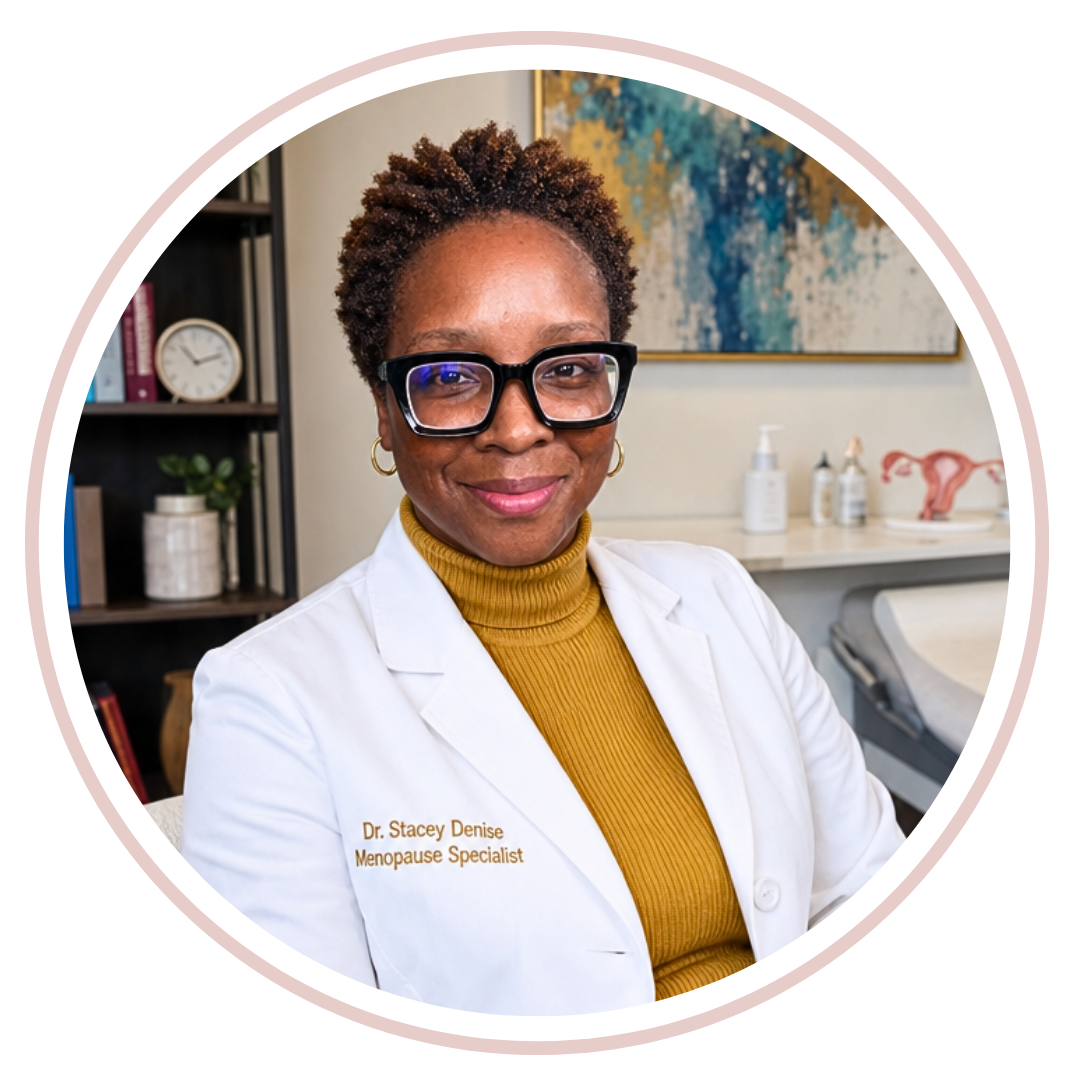
As a board-certified physician trained in Lifestyle Medicine and rooted in trauma-informed, neuroaesthetic care, I’m not here to criticize medicine, I’m here to reimagine it.
Where Conventional Medicine Falls Short
Modern medicine has taught us to segment healing: cardiology for the heart, psychiatry for the mind, gastroenterology for the gut. Time-limited visits and pharmaceutical-first protocols leave little room for context, story, or the body’s quiet wisdom.
It’s not that medication doesn’t help, it’s that it can’t reach the root when the soil is ignored. And for high-functioning, emotionally intelligent, sensory-aware people, especially women of color, the message often becomes: “You’re too much, but not sick enough.”
This is why conventional care fails. It pathologizes symptoms but bypasses symbolism. It treats disease without acknowledging design. It asks for compliance without building connection.
The Promise (and Limitations) of Lifestyle Medicine

Lifestyle Medicine is a rising clinical specialty that uses six core behaviors, nutrition, movement, sleep, stress management, substance avoidance, and connection, to prevent and even reverse chronic illness. And it works.
But here’s the truth: the pillars weren’t built with everyone in mind. They weren’t designed for trauma-wired, over-functioning, neurodivergent women who’ve been taught to override their signals in order to survive.
So I practice Lifestyle Medicine differently. I integrate the evidence-based protocols with:
- Neuroaesthetic tools: Color rituals, sensory environments, symbolic anchors
- Trauma-informed pacing: Rhythm over rigidity, restoration over hustle
- Cultural attunement: Especially for those navigating the intersecting systems of race, gender, and chronic invalidation
What My PhD Work Adds: Root-Cause Literacy

At Lifestyle Prescriptions® University, we’re trained to move beyond symptom suppression toward root-cause resolution. This means:
- Understanding the organ-mind-brain connection
- Mapping emotional triggers alongside biological responses
- Prescribing lifestyle changes with the same precision as pharmaceuticals
It’s not just about managing disease. It’s about helping the body remember how to regulate, repair, and reclaim its rhythm.
Healing Is Not Compliance. It’s Connection.
We live in a society that treats health like a checklist. But your body isn’t a task, it’s a temple of sensation, memory, and unmet needs.
If you’ve ever left a doctor’s office feeling unseen, if you’ve Googled your symptoms in the middle of the night because no one believed you, if you’ve been told you’re too complex or too sensitive, this reset is for you.
You are not a medical misfit. You are the future of medicine.
A New Path Forward
This is the kind of care I offer through The Neuroaesthetic Reset™:
- Sensory tools for emotional regulation
- Symbolic design to foster felt safety
- Science-backed rhythms that restore your agency
It’s not wellness theater. It’s medicine, rewritten with reverence.
If you’re ready to stop surviving the system and start healing on your own terms, know this: there’s nothing wrong with your body. There’s something missing from the model.
Let’s change that.
If you’ve been told to “just cope” with your changing body, you deserve more. The Menopause Reset Program is where women finally find answers, tools, and support tailored to their lived experience.