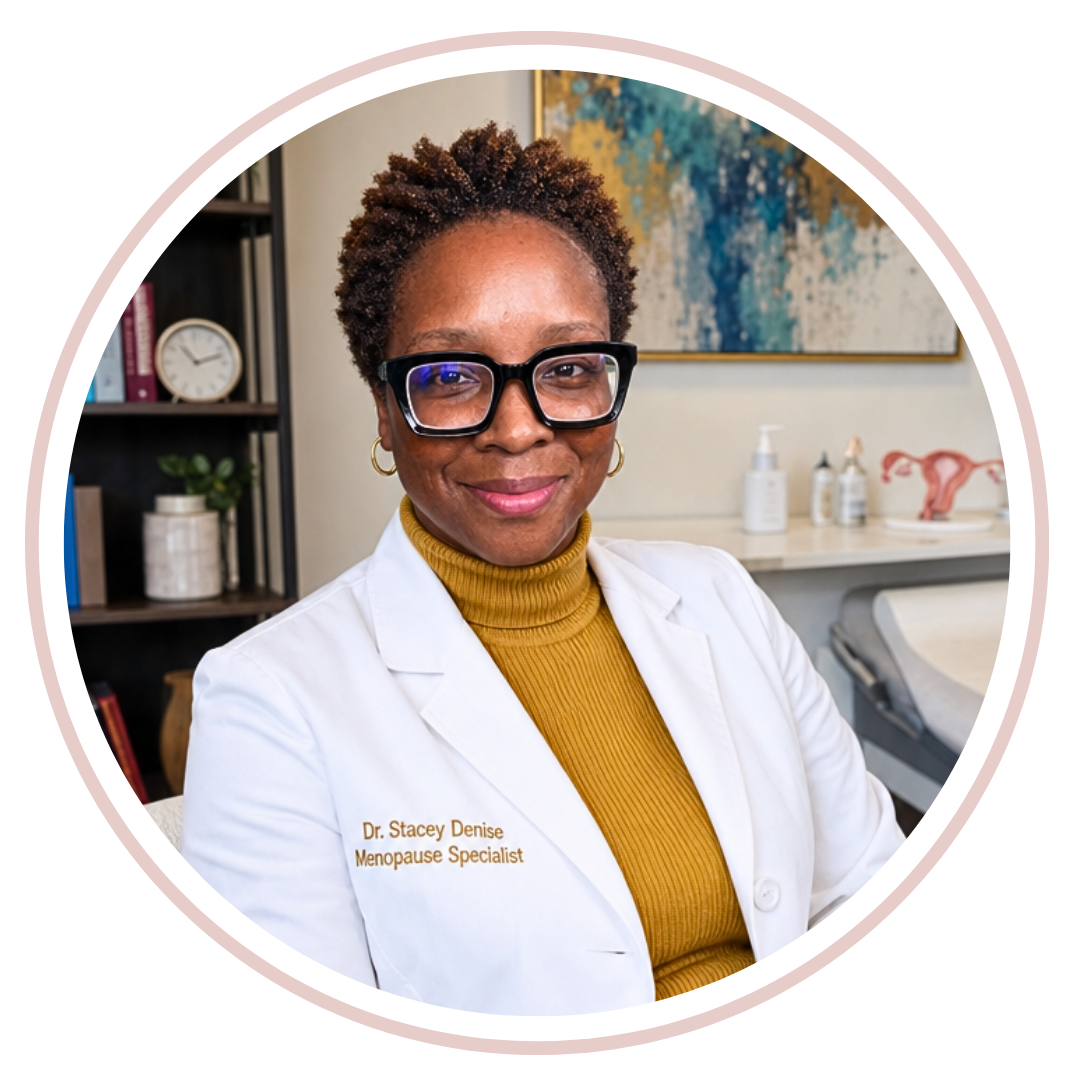
Breathwork Is Nervous System Medicine: What Women in Perimenopause Need to Hear
You've been told to just breathe your whole life.
Just breathe. Just calm down. Just relax.
As if your nervous system hasn't been running on high alert for 40, 50 years. As if you haven't been holding your breath through decades of masking, through medical appointments where doctors dismissed you, through being told it's just anxiety—or you're too young for menopause—or it's all in your head.
Here is the truth, ladies.
For women navigating perimenopause—especially those of us who are autistic, alexithymic, or sensory-sensitive—breathwork is not a wellness trend. It is not a suggestion you find at the bottom of a pamphlet next to "try yoga" and "reduce stress." When it is trauma-informed, when it is accessible, when it is designed for bodies that have been dismissed—breathwork is nervous system medicine.
And today I want to give you the science behind why.
The Episode That Started This Conversation
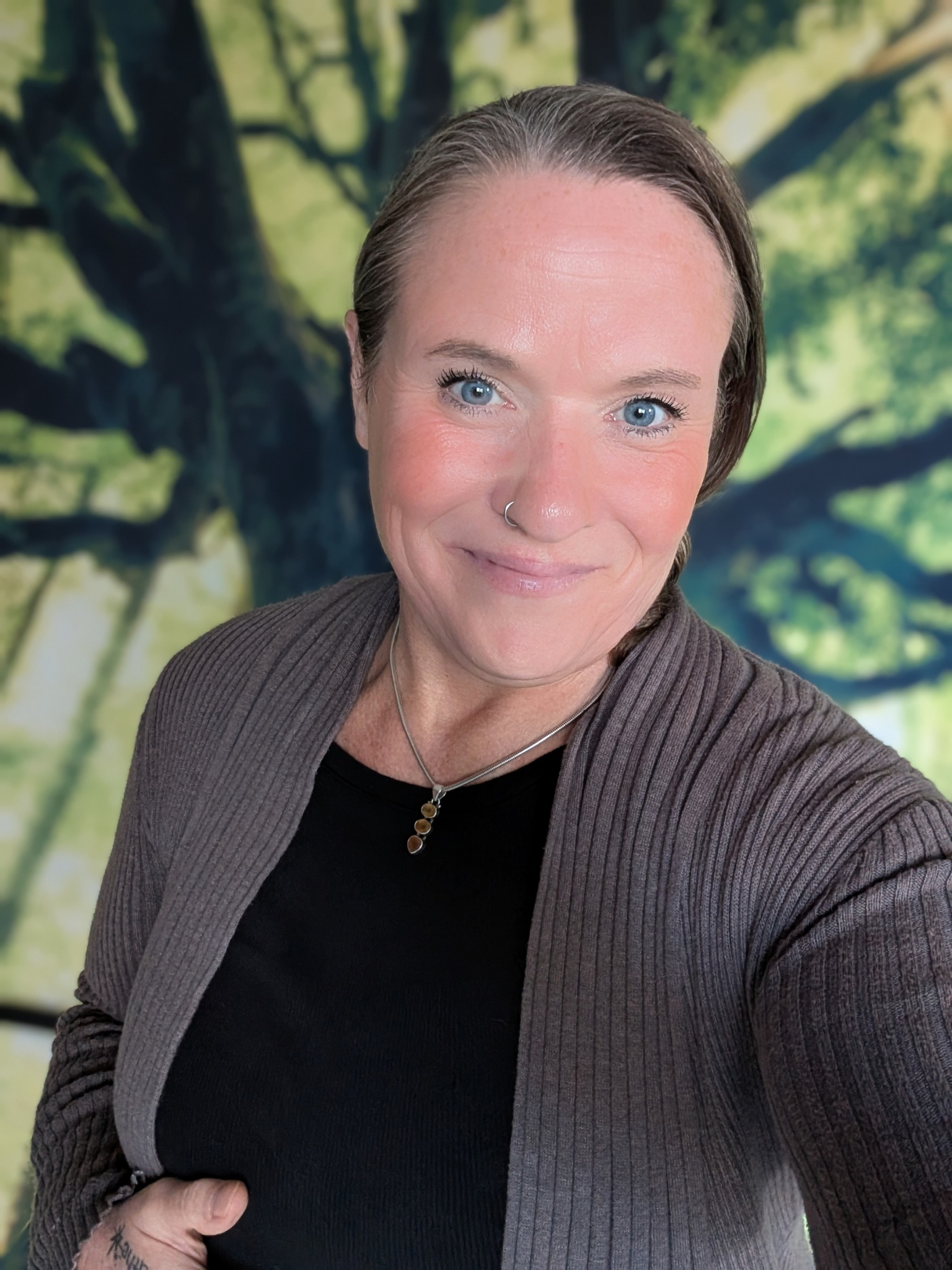
This post is the companion to one of my most important conversations on the Nervous System Eats First podcast—my episode with Angelia Abouhassan, founder of the Breath Lady Project, certified trauma-informed breathwork facilitator, Hatha yoga teacher, and stroke survivor.
Angelia rebuilt her world sense by sense, one breath at a time. After a stroke threatened her vision and her mobility, she didn't just recover. She transformed. Through trauma-informed breathwork and embodied somatic practices she regained not just her physical capacities but her sense of hope, safety, and agency. And now she helps women -- especially those who are overwhelmed, exhausted, sensory-sensitive, or neurodivergent -- return to themselves gently.
🎧Listen to the full episode here: Breathwork as Medicine: Angelia Abouhassan on the Nervous System Eats First → Listen on Spotify →
What she said in that conversation stopped me. Because she confirmed something I have been saying in my practice for years -- that the radical act of exhaling, when you have been taught to hold everything inside, is one of the most powerful clinical tools available to us.
And most of my patients have never been told this. Not once.
Why Your Nervous System Holds Its Breath
Listen. I want you to understand what is actually happening in your body before we talk about how to fix it.
When you have spent decades masking—performing neurotypicality in rooms that were never built for your nervous system—your body learns to brace. You hold your breath in meetings. You hold your breath at the doctor's office. You hold your breath when someone in the room might notice that you are different, that you are struggling, that you are not okay.
That breath-holding is not a habit. It is a survival response. Your nervous system learned that contraction meant safety. That stillness meant invisible. That invisible meant protected.
And then perimenopause arrives.
Estrogen—which has been doing quiet, heroic work in your nervous system all this time, buffering your stress response, supporting your GABA receptors, moderating your threat detection—starts its decline. The biological scaffolding that was helping you cope with a world that was never designed for you begins to shift.
And suddenly the breath-holding that kept you functional for decades starts to work against you.
Hot flashes are not just a hormonal event. They are a sympathetic nervous system firing event. Your thermoregulatory system narrows. Your threat detection heightens. And every held breath—every braced, constricted, survival breath—is feeding that sympathetic activation instead of interrupting it.
You follow me?
The breathwork that Angelia teaches is not about taking a deep breath and counting to ten. It is about retraining a nervous system that has learned, through decades of very real threat, that exhaling is not safe. That letting go is not safe. That the body cannot be trusted.
That is the work. And it is serious work.
What the Research Confirms
A 2025 narrative review published in Stress and Health analyzed the existing literature on slow, diaphragmatic, nasal breathing and found that this approach significantly improves vagal tone, heart rate variability, and parasympathetic activity while reducing cortisol, anxiety, stress, and PTSD symptoms. The researchers proposed that slow breathing at six breaths per minute or fewer represents a structured, evidence-informed approach to stress regulation with applications across high-stress populations—which, I want to be very clear, includes every woman in perimenopause whose nervous system has been running on the wrong frequency for far too long. (DOI: 10.1002/smi.70098)
A systematic review published in the JBI Database of Systematic Reviews found that diaphragmatic breathing reduced physiological and psychological stress markers including respiratory rate, salivary cortisol, blood pressure, and self-reported stress scores—across multiple controlled studies. Self-administered. Low-cost. Non-pharmacological. Available to you right now. (DOI: 10.11124/JBISRIR-2017-003848)
And here is the one I want you to sit with: research published in Music and Medicine specifically examined paced breathing as an intervention for hot flashes and vasomotor symptoms in menopausal women—and found that slow, paced respiration may be the active ingredient in many of the behavioral interventions that reduce hot flash frequency. Not the meditation. Not the yoga. The breath itself. (DOI: 10.1177/1943862112470461)
One slow exhale. Before you brace. Before you panic. Before you fight your own body.
That is not nothing. That is medicine.

The Alexithymia Layer Nobody Is Talking About
I have to say this because I live it and I see it in my patients every single day.
If you have alexithymia -- if you do not always have access to what you are feeling, if your body speaks a language your conscious mind cannot always translate -- breathwork is not optional. It is essential.
Here is why. Alexithymia does not mean you do not have emotions. It means you do not have reliable access to them through the usual pathways -- through words, through labels, through the internal narrative that most people use to know what they are feeling. Your emotions live in your body. In your chest. In your jaw. In the way your shoulders are right now as you read this.
Breath is the bridge.
When Angelia talks about coming back from a stroke one breath at a time -- what she is describing is interoception. The practice of learning to feel what is happening inside your body. For women with alexithymia, for late-diagnosed autistic women who have spent their lives disconnected from their own physical experience because it was the only way to survive—that practice is not supplementary care. It is the foundation of everything else.
You cannot regulate a nervous system you cannot feel.
Breathwork—when it is trauma-informed, when it is gentle, when it does not demand that you already know how to be present in your body—teaches you to feel. One sensation at a time. One breath at a time.
Three Things to Try This Week
Angelia shared these at the close of our episode and I want you to have them here too. These are not tips. These are invitations.
One. The Hot Flash Exhale.
Next time you feel a hot flash coming on—before you brace, before you panic, before you hold your breath—try one slow exhale through your mouth. Not to fix it. Not to make it stop. Just to stay present with your body instead of fighting it.
That one exhale is telling your nervous system: I am here. I am not leaving. You are safe.
Two. The Morning Body Check-In.
Before you reach for your phone—before the day makes its first demand—place your hand on your chest. Notice one sensation. Are you warm or cool? Tight or soft? No words required. No judgment. This is especially powerful for women with alexithymia or who have been masking for decades. You are not trying to identify what you feel. You are just reminding your body that you are paying attention.
Three. The Journal Prompt for Late-Diagnosed Autistic Women.
When do I hold my breath? When do I remember to exhale? Where does my breath feel free in my body—and where does it stall?
You do not have to answer these right now. Just let them sit with you. Let your body start to answer in its own time.

When Nothing Else Works
If you have tried everything—the melatonin, the supplements, the HRT that helped your hot flashes but did not touch your sleep, the sleep hygiene advice that made you want to throw your phone across the room—and you still are not okay --
Listen. Your nervous system has been running on the wrong frequency for far too long. And no pill, no protocol, no supplement can override a dysregulated nervous system. The nervous system eats first. Before your hormones can balance, before your metabolism can cooperate, before your sleep can restore—your nervous system has to feel safe.
Breath is one of the most direct pathways to that safety we have access to. It is free. It is always with you. And it was available to you long before anyone thought to tell you about it.
That is the conversation Angelia and I had. And I want you to hear it in her words, not just mine.
Listen to the full episode: Breathwork as Medicine →
Connect With Angelia
The Breath Lady Project: Angelia Abouhassan's trauma-informed breathwork practice for women who are overwhelmed, exhausted, sensory-sensitive, or neurodivergent.
Find her work and follow her journey—because the women doing this work in the world deserve to be found by the women who need them.
And if you are ready to understand which patterns are keeping your nervous system stuck—not just in your breath, but in your biology --
Take the Sleep Saboteur Quiz →
Come find us in the community where these conversations continue every week.
Join the Auntie Menopause Circle →
"Your nervous system is your compass. And beauty is the medicine."
-Dr. Stacey Denise
Want to design the space where your breathwork practice actually lives? Read this: 10 Meditation Room Ideas Every Menopausal Woman in Los Angeles Should Know →
And understand the clinical foundation of why your environment shapes your nervous system: What Is Neuroaesthetics? The Gentle Science of How Beauty Heals Your Brain →
For the clinical explanation of why trauma, neurodivergence, and perimenopause collide: Why Trauma, Neurodivergence, and Menopause Collide -- And Why Your Doctor Keeps Missing It →
Sources
Little AL. The A52 Breath Method: A Narrative Review of Breathwork for Mental Health and Stress Resilience. Stress Health. 2025. DOI: 10.1002/smi.70098
Hopper SI et al. Effectiveness of diaphragmatic breathing for reducing physiological and psychological stress in adults. JBI Database Syst Rev Implement Rep. 2019. DOI: 10.11124/JBISRIR-2017-003848
Burns DS et al. Description of an Audio-Based Paced Respiration Intervention for Vasomotor Symptoms. Music Med. 2013. DOI: 10.1177/1943862112470461