Your Space Isn't Just Decorating You — It's Running Your Biology
Updated: April 2026
I want to tell you something about the original version of this post that I think matters.
When I first wrote about the psychology of interior design — how color affects mood, how lighting shapes atmosphere, how furniture arrangement changes how a space feels — I was writing from intuition. I was writing from what I had observed in my own body, in the bodies of the women I was talking to, in the way certain spaces made me feel like I could breathe and others made me want to disappear. I didn't have the formal scientific language yet. I hadn't completed my trauma certification. I hadn't connected the full arc from the nervous system to the organs to the environment and back again.
But I was saying it anyway. Because my body already knew.
Now I have the language. And I want to give it to you — not to replace the intuition, but to validate it. Because what your body has been telling you about your environment for your entire life is not sensitivity. It's not being dramatic. It's neurobiology. And in perimenopause, when the hormonal buffer that was helping your nervous system manage that incoming sensory information starts to thin, your body's relationship with its environment becomes more urgent — and more clinically significant — than it has ever been.

The Nervous System Eats First — And It's Wired Into Everything
Here's what conventional medicine doesn't spend much time talking about, and what your body has always understood: the nervous system doesn't just live in your brain. It lives in your organs.
The vagus nerve — the longest cranial nerve in the body, the primary conductor of the parasympathetic nervous system — sends sensory neurons directly into your lungs, your heart, and your digestive tract. A review published in Neuron out of Harvard Medical School documented the diverse population of vagal sensory neurons that innervate these organ systems, each type responding to different internal signals and feeding information continuously back to the brain. (DOI: 10.1016/j.neuron.2021.12.020) Your gut motility, your heart rate, your breathing rhythm — all of it is in constant conversation with your nervous system, all day, all night, in response to what your body is experiencing both internally and environmentally.
This is what Dr. Stephen Porges has been articulating through polyvagal theory: the nervous system is not a separate system running parallel to the body. It's embedded in it. And the state of the nervous system — whether it's in ventral vagal safety, sympathetic mobilization, or dorsal vagal shutdown — directly shapes how every organ in your body functions.
The implications for your health are enormous. And they've been largely absent from the conventional medicine conversation.
When the Nervous System Is Dysregulated, the Organs Feel It
I'm just saying this plainly because it deserves to be said plainly: stress doesn't just make you feel bad. It makes you sick. And the mechanism is the nervous system running through your organs.
Research published in Nature from Harvard University found that acute stress leads to rapid depletion of melanocyte stem cells through activation of sympathetic nerves that directly innervate those cells — causing a burst release of norepinephrine that permanently depletes the stem cell niche. (DOI: 10.1038/s41586-020-1935-3) That's the science behind stress turning your hair gray. Not metaphorically. Neurologically. The sympathetic nervous system, activated by stress, reached directly into a stem cell population and depleted it.
And a review published in International Journal of Molecular Sciences found that dysautonomia — dysfunction of the autonomic nervous system — is a hallmark and causal feature of immune-mediated inflammatory diseases including type 1 diabetes, inflammatory bowel disease, rheumatoid arthritis, hypertension, and cardiovascular disease. (DOI: 10.3390/ijms19041188) The nervous system's chronic dysregulation doesn't stay in the nervous system. It travels through sympathetic nerve pathways into the spleen, into immune tissue, into the inflammatory cascade — and it drives disease.
This is what I mean when I say the nervous system eats first. Left unaddressed, a dysregulated nervous system will consume your health — organ by organ, system by system — long before anyone connects the symptoms to their root cause.
And now add perimenopause to this picture. Estrogen is not just a reproductive hormone. It's a nervous system buffer. When estrogen declines, the HPA axis becomes more reactive, the sympathetic tone rises, and the body's capacity to recover from stress shrinks. The organ-mind-body axis that was already under strain from decades of masking, managing, and performing — in a world that was never designed for a neurodivergent nervous system — loses its last hormonal shock absorber.
This is why so many women in perimenopause feel like everything falls apart at once. The gut, the skin, the sleep, the mood, the focus, the joints. It isn't a coincidence. It's the nervous system's reach into the organs becoming visible now that the buffer is gone.
The Three Secrets — And Why Your Environment Is the Entry Point
This is where the NRM framework comes in. And this is why I've always approached menopause care through the environment first, even before I had the clinical language to explain why.
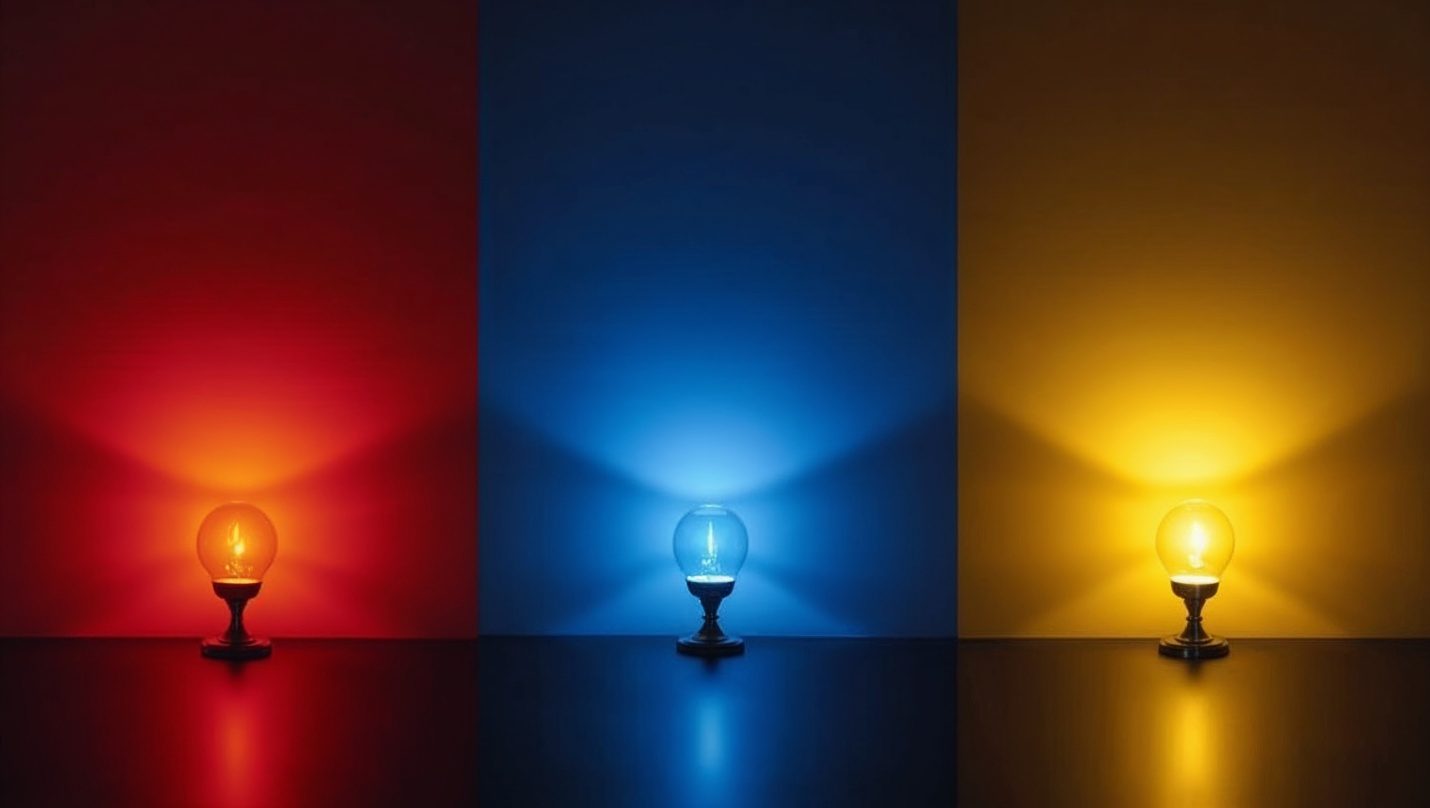
The Nervous System Eats First. Before we talk about hormones, before we talk about supplements, before we talk about anything else — we have to address the state of the nervous system. Because a dysregulated nervous system will undermine every other intervention you try. The environment is the nervous system's first and most continuous input. The color of your walls, the quality of your light, the texture of what you're sitting on, the sound level of your space — these are not aesthetic details. They are biological signals that your vagal sensory neurons are processing and feeding to your brain, your gut, your heart, and your immune system, continuously, whether you're paying attention to them or not.
The Invisible Saboteurs. Your environment is either working with your nervous system or against it, and most women have no idea which one is happening. The wrong light at the wrong time of day. Colors that keep the threat-detection system activated. A cluttered visual field that registers as unfinished demand. A space that was designed for performance and productivity and never for restoration. These are the invisible saboteurs — the environmental inputs that drain your nervous system's regulatory capacity before you've done a single thing that day. And in perimenopause, when that capacity is already reduced, environmental drain is not a luxury problem. It's a clinical one.
Nutritional Menopause Biology. The gut and the nervous system are in direct conversation through the vagus nerve — the same nerve that innervates your heart and lungs is also talking to your digestive system at every moment. What you eat shapes the bacterial community that metabolizes your estrogen, synthesizes your serotonin, and regulates your inflammation. An environment that chronically activates the sympathetic nervous system — through light, color, sound, clutter, temperature, or sensory overload — also disrupts gut motility, impairs tight junction integrity, and contributes to the kind of systemic inflammation that shows up as skin rashes, reflux, histamine reactivity, and the cascade of symptoms that conventional medicine treats as separate problems with separate causes.
They're not separate. They're one system. And the environment is where the intervention begins.
What This Means for How You Design Your Space
I'm not telling you to redecorate your house. I'm telling you to look at your environment the way a clinician looks at a patient — as a system that is either supporting health or undermining it, and asking which one is true right now.
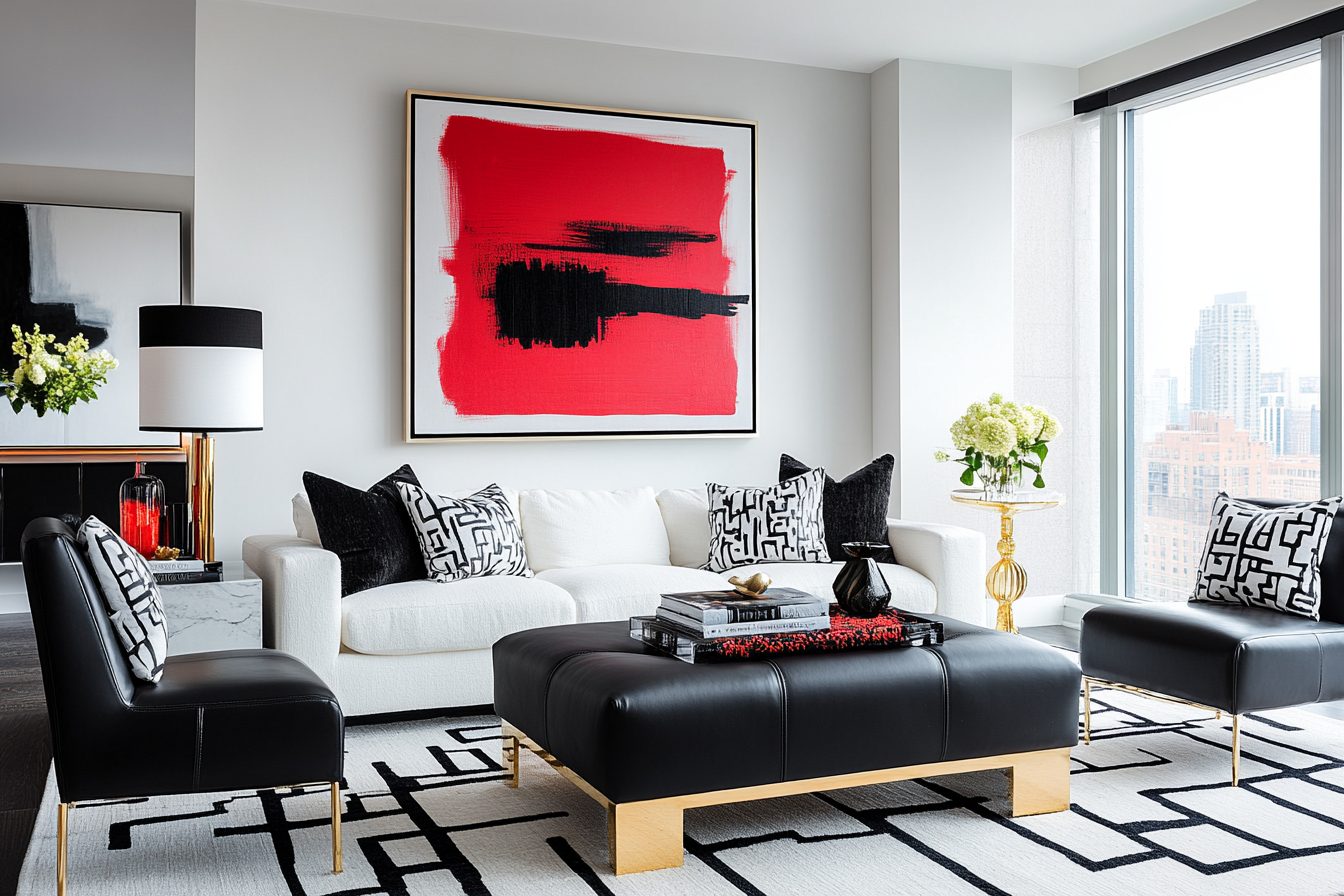
Color is a nervous system input. The colors in your primary living and sleeping spaces are sending your autonomic nervous system continuous signals about safety, threat level, and what state to be in. Cool blue-green tones have been shown to reduce autonomic arousal. Warm ambers signal that the day is winding down and restoration is appropriate. High-chroma, high-contrast colors keep the threat-detection system activated. This isn't decoration. It's neuroaesthetic medicine.
Light is a circadian signal. The light environment of your home is running your hormonal clock — your cortisol rhythm, your melatonin production, your sleep architecture. Getting this wrong doesn't just give you a bad night's sleep. It disrupts the entire downstream cascade that governs mood, immunity, gut function, and hormonal regulation.
Space organization is a cortisol input. A cluttered, disordered environment registers as unfinished demand to the nervous system and produces measurably flatter cortisol curves — associated with depression, fatigue, and immune dysfunction. The state of your physical space is in your bloodstream.
Texture and sensory safety matter. For neurodivergent women whose interoceptive sensitivity is heightened, what touches your skin, what you hear, the temperature of your space — these are not comfort preferences. They are regulation tools. Designing your environment for sensory safety is the same clinical intervention as prescribing a medication for dysregulation. It's just delivered through a different channel.
You Already Knew This
I want to end where I started. When I first wrote about design psychology, I was writing from intuition. I was writing from a place of having felt the difference between a space that supported my nervous system and one that assaulted it — without having the words to explain the mechanism.
You probably already know this too. You know which rooms make you feel like you can breathe and which ones you can't wait to leave. You know which environments calm you and which ones wind you up. You know that certain colors feel like medicine and others feel like noise.
That's not interior design sensitivity. That's your vagal sensory system doing exactly what it was designed to do — reading the environment and reporting back to every organ in your body.
The difference now is that you have the language to act on what you already knew. And in perimenopause, acting on it isn't optional. It's part of the treatment.
If you want to understand which environmental patterns are most affecting your nervous system right now — and where to start — the quiz is the first thing I do with every patient.
Take the Sleep Saboteur Quiz → drstaceydenise.com/takethequiz
For the color layer of this work: Why Color Makes You Feel Something — And Why That Matters When Your Nervous System Is Running on Empty →
For the light layer: When Your Sleep Won't Come — And the Light in Your Room Is Why →
For the polyvagal framework underneath all of this: Your Home Is Either Medicine or It Is Making You Sick →
Sources
Prescott SL, Liberles SD. Internal senses of the vagus nerve. Neuron. 2022. DOI: 10.1016/j.neuron.2021.12.020
Zhang B, et al. Hyperactivation of sympathetic nerves drives depletion of melanocyte stem cells. Nature. 2020. DOI: 10.1038/s41586-020-1935-3
Bellinger DL, Lorton D. Sympathetic nerve hyperactivity in the spleen: causal for nonpathogenic-driven chronic immune-mediated inflammatory diseases? International Journal of Molecular Sciences. 2018. DOI: 10.3390/ijms19041188
NOTE: This post originated as an interior design psychology piece on Ceyise Studios exploring how color, light, and space affect mood and well-being. It has been fully rewritten here on drstaceydenise.com through the clinical lens of the Neuroaesthetic Reset Method™ and the organ-mind-body axis — articulating what that original post was always saying: that environment is biological medicine, and for neurodivergent women navigating perimenopause, it may be the most underutilized clinical tool available.
Originally published on Ceyise Studios. Updated: April 2026.