
Why Color Makes You Feel Something — And Why That Matters When Your Nervous System Is Running on Empty
Updated: April 2026
Have you ever walked into a room and felt something shift — not because anything happened, but because of how the space looked? You didn't think about it. You didn't decide anything. Something just changed in your body, and you probably couldn't explain it if someone asked.
That's not sensitivity. That's not being dramatic. That is your nervous system doing exactly what it was designed to do — reading its environment before your conscious mind has time to form an opinion about it.
Color is one of the primary languages your nervous system speaks. And once you understand that, the way you think about the spaces you live in — and the colors you surround yourself with — changes completely.

This Isn't New. We Just Forgot It Had a Name.
Before I get into the science, I want to say something that matters to me clinically. The idea that color, beauty, and the sensory environment have healing power isn't a new invention. Indigenous healing traditions — including Native American medicine practices — have understood for centuries that the visual and sensory field surrounding a person directly influences their state of body and mind. Color, art, nature, and sacred space weren't decoration in those traditions. They were treatment.
What we now call neuroaesthetics — the study of how the brain processes beauty, art, and aesthetic experience — is science catching up to what healers in many cultures already knew. I want to name that, because I think it matters to acknowledge the lineage of this work before we dress it up in neuroscience terminology and call it new.
What the research does is give us a biological mechanism for something human beings have always intuited. And that mechanism is worth understanding, especially if your nervous system is navigating perimenopause.
What Color Actually Does to Your Brain
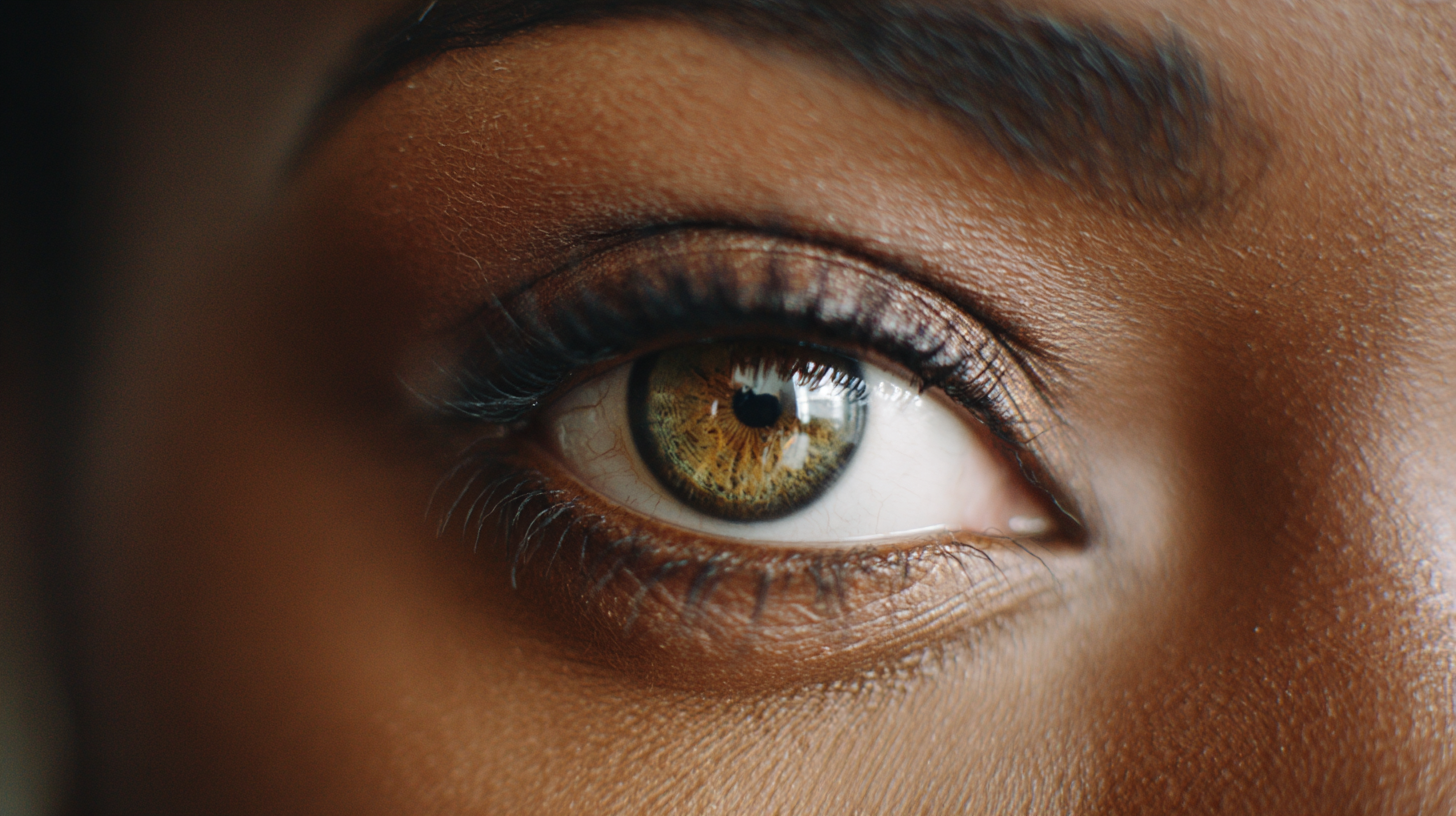
When light enters your eye, it doesn't just produce an image. It sends a signal — through the retina, through the visual cortex, and straight into the limbic system, the brain's emotional processing center. That signal arrives before language does. Before thought does. Which is why you can feel a color before you've consciously registered what you're looking at.
This isn't poetry. This is the pathway. And it means that every color in your environment is in an active, ongoing conversation with the part of your brain that governs emotion, memory, and threat detection.
I came across a study published in Psychophysiology that I think is one of the most useful pieces of research I've found on this topic for my clinical population, because it measured what built environment color actually does to the autonomic nervous system in real time. Researchers exposed participants to different colored environments and found that blue coloring produced measurable changes in skin conductance, respiration range, and brain wave activity — specifically in the frequency bands associated with emotional processing. The color of the walls was directly modulating autonomic nervous system response. (DOI: 10.1111/psyp.14121)
You follow what I'm saying? The room didn't have to do anything. It didn't have to play music or diffuse lavender. The color alone was enough to shift the nervous system into a different state. That's not subtle. That's biology.
The Dorsal State — And Why Color Becomes Critical Here
Here's where I want to bring in the polyvagal layer, because this is the piece that's almost never talked about in conversations about color psychology.
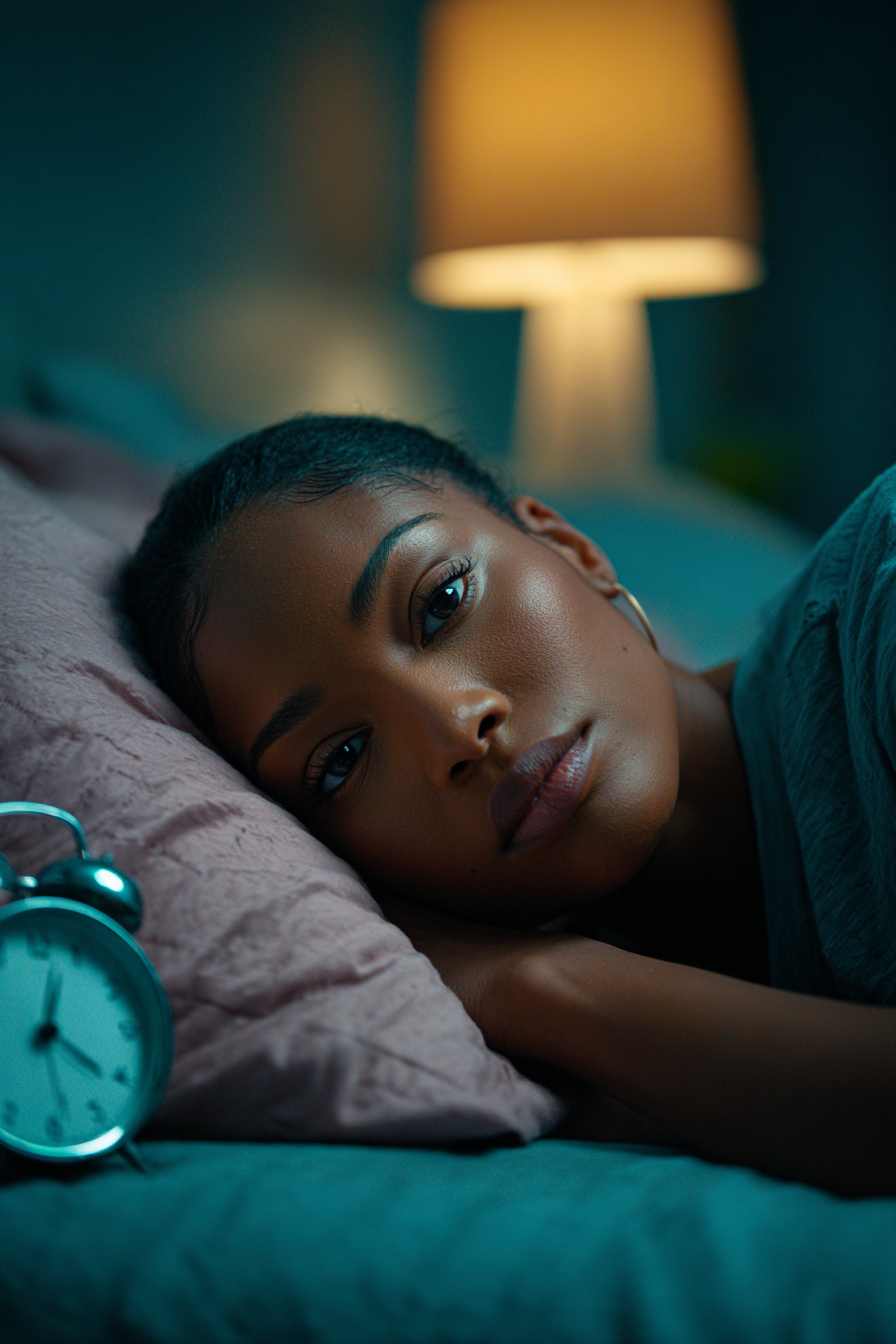
Most discussions about color and mood assume you're starting from a regulated place — that you're somewhere in the middle of your window of tolerance and a soothing blue is going to nudge you toward calm. But that's not where a lot of my patients are living. They're not in the middle. They're in the dorsal vagal state — the nervous system's deepest shutdown response, the place where the body has decided that active threat response has failed and the safest thing it can do is go quiet, go flat, go offline.
Dorsal shutdown doesn't look like panic. It looks like exhaustion that sleep doesn't fix. It looks like not being able to make yourself do things you know you want to do. It looks like emotional numbness, disconnection from your body, a kind of gray fog that settles over everything and doesn't lift. For women in perimenopause — especially neurodivergent women who have been masking and managing and holding everything together for decades — this is an incredibly common place to land when estrogen starts declining and the hormonal buffer that was keeping the nervous system in range begins to thin.
And this is where color stops being an aesthetic conversation and becomes a clinical one.
When someone is in dorsal shutdown, talk is often not the entry point. The prefrontal cortex — the part responsible for language, reasoning, planning — is offline. You can't think your way out of a dorsal state. But the nervous system is still receiving sensory input. It's still reading the environment. And that means the visual field — the colors, the light, the aesthetic quality of the space around you — is one of the few inputs that can reach a shut-down nervous system and begin to offer it a signal of safety.
What the research is confirming — slowly, because this isn't where the big pharmaceutical funding goes — is that aesthetic and sensory experience reaches the nervous system through pathways that bypass conscious thought entirely. A 2024 systematic review and meta-analysis published in JAMA Network Open analyzed 69 randomized clinical trials and found that visual art therapy was associated with measurable improvements in depression, anxiety, quality of life, and self-esteem across diverse patient populations. (DOI: 10.1001/jamanetworkopen.2024.28709) The research is pointing in the same direction that Indigenous healing traditions have always pointed — that beauty, color, and the sensory environment aren't supplementary to healing. They're part of the mechanism.
The Color Archetype Framework — What It Is and How It Works
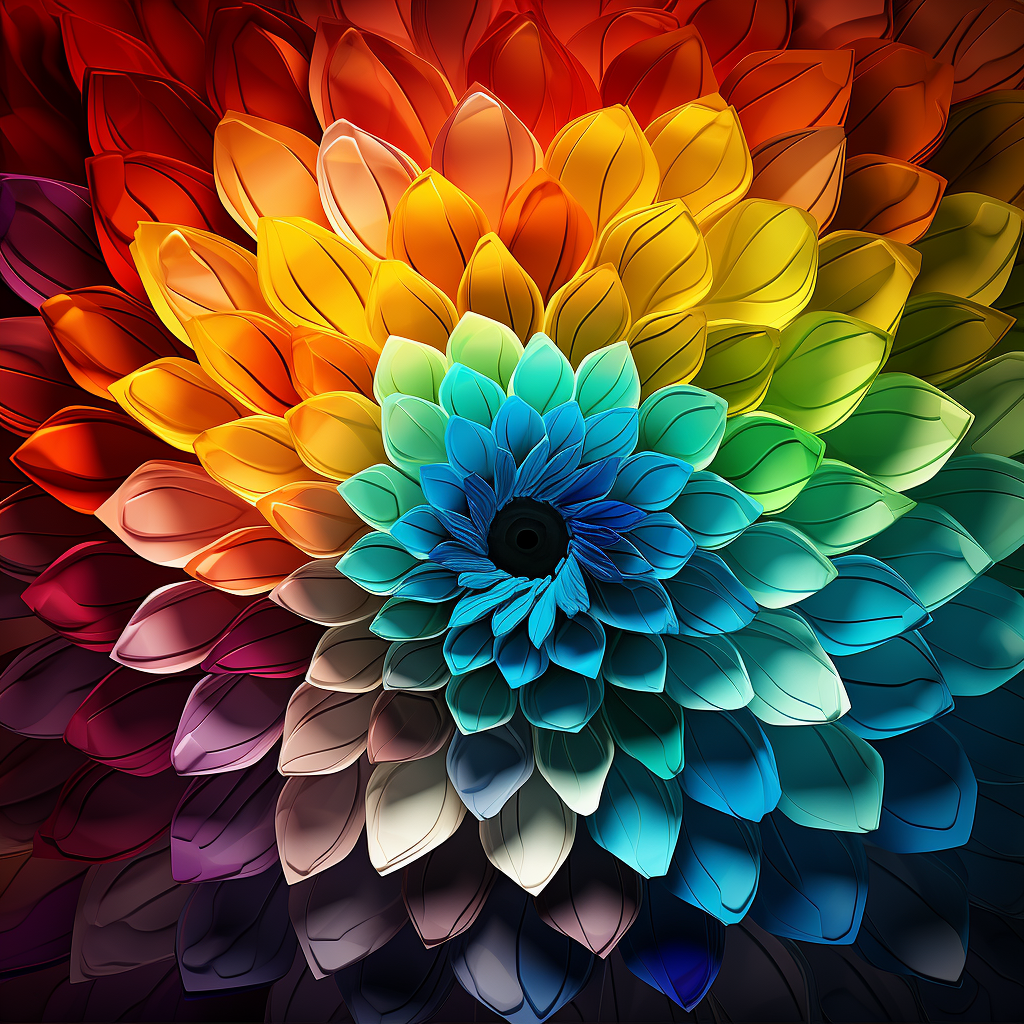
This is where the Neuroaesthetic Reset Method™ comes in. The Color Archetype framework isn't a personality quiz. It isn't asking what your favorite color is. It's asking what colors your nervous system moves toward when it needs to regulate — and what colors it recoils from when it's overwhelmed — because those answers are specific to you, and they change depending on what hormonal chapter you're in.
What I've observed — and what the research on individual differences in autonomic response to color supports — is that there isn't one palette that works for every nervous system. A color that grounds one woman might overstimulate another. A muted earth tone that feels like a weighted blanket to someone in sensory shutdown might feel deadening and depressing to someone who needs activation to come back online.
The Color Archetype framework gives you a way to identify your own nervous system's color language — not based on what looks pretty or what's trending in interior design, but based on what your autonomic state actually responds to. And it does this in the context of perimenopause, where the sensory sensitivity changes that come with estrogen decline mean that the palette that worked for your nervous system at 38 may feel completely wrong at 48. That's not a failure of taste. That's a shift in neurological processing, and the framework adapts to where you are now.
A 2026 review published in the British Journal of Nursing described neuroaesthetics as the study of how the brain processes aesthetic experience and how those perceptions influence emotions, cognition, and physiology — and confirmed that aesthetic design in care environments can reduce stress, enhance wellbeing, and improve patient outcomes. (DOI: 10.12968/bjon.2026.0049) That's the direction the clinical world is moving in. Your bedroom, your living room, the corner where you sit in the morning — those are care environments too. They're treating you every day, whether you've designed them to or not.
What This Means for You Right Now
I'm not going to give you a list of colors and tell you which one fixes which mood. That's not how the nervous system works and it's not how I practice.
What I will tell you is this: your environment isn't neutral. It's not just a backdrop. It's an active input into your nervous system's ongoing calculation of whether you're safe, whether you can rest, whether it's okay to come out of shutdown or whether the threat is still running. And in perimenopause, when your nervous system has lost the estrogen buffer that was helping it filter and regulate that incoming information, the sensory quality of your environment starts to matter in ways it didn't before.
The women I work with who start paying attention to their color environment — who stop choosing colors because they're "on trend" or because someone told them neutral is always safe — and start asking what their nervous system actually needs in this hormonal chapter, often describe a shift that surprises them. Not dramatic. Not overnight. But real. A feeling that the space is working with them instead of against them. A little more capacity. A little more ease in coming back to themselves after a hard day.
That's the work. And it starts with knowing your archetype.
Take the Color Archetype Quiz → quiz.drstaceydenise.com/color-archetype-quiz
The polyvagal framework underneath this lives here: Your Home Is Either Medicine or It Is Making You Sick →
For how color intersects with sleep and circadian biology: When Your Sleep Won't Come — And the Light in Your Room Is Why →
Start here if you're new to this framework: What Is Neuroaesthetics? The Gentle Science of How Beauty Heals Your Brain →
Sources
Bower IS, et al. Built environment color modulates autonomic and EEG indices of emotional response. Psychophysiology. 2022. DOI: 10.1111/psyp.14121
Perrin A. Neuroaesthetics and the science of the senses: could this be a new world for stoma care? British Journal of Nursing. 2026. DOI: 10.12968/bjon.2026.0049
Joschko R, et al. Active visual art therapy and health outcomes: a systematic review and meta-analysis. JAMA Network Open. 2024. DOI: 10.1001/jamanetworkopen.2024.28709
NOTE: This post originated as a neuroaesthetic design piece on Ceyise Studios exploring color psychology and the brain. It's been fully rewritten here on drstaceydenise.com through the clinical lens of the Neuroaesthetic Reset Method™ — specifically how color communicates with the autonomic nervous system, what that means for women in perimenopause navigating dorsal shutdown, and how the Color Archetype framework helps you find the palette your nervous system actually needs right now.
Originally published on Ceyise Studios, March 26, 2025. Updated: April 2026.