Red Is Not an Aggressive Color. It's an Honest One.
Updated: April 2026
I want to tell you something about red that the wellness industry gets almost completely wrong.
Red is not an aggressive color. It's an honest one. What it's honest about is what's already there — what's already running in your body, what's already been stored in your jaw and your chest and your hips for years, what's already been metabolized into anxiety because it had nowhere else to go. Red doesn't create the activation. It reflects it. And for the woman who has been told her whole life that her intensity is the problem, understanding that distinction might be the most important thing this post does.
The Liberator archetype in the Color Archetype framework maps to red — specifically to the crimson, garnet, and terracotta range of the red spectrum. And before we talk about what red can do for you clinically, I want you to understand who The Liberator is and why this color finds her.

The Liberator — Who She Is
The Liberator's nervous system runs hot. Not because she is dramatic or difficult or unable to regulate, but because she has been storing incomplete responses for a very long time. The research that grounds this archetype is rooted in what trauma literature describes as the incomplete motor response — the moment when the body activates its fight circuitry and then is not allowed to complete the action. The danger signal fires. The mobilization begins. But the social environment, or the family environment, or the professional environment says: don't. So the body swallows it. And what gets swallowed doesn't disappear — it accumulates, in the musculature, in the fascia, in the hypervigilance that never fully rests.
For neurodivergent women, for women who grew up in environments where expressed anger escalated threat rather than resolved it, for Black women who learned early that certain responses were not available to them in white-dominated spaces, for autistic women whose emotional expression was consistently labeled as "too much" — the suppressed fight response is not a clinical edge case. It's the norm. And by the time perimenopause arrives, the body has been storing these incomplete responses for decades.
Here's where the hormones come in and why this matters so specifically to the women in my practice. Progesterone isn't only a reproductive hormone. It has direct GABAergic activity — meaning it binds to the same neural receptors as anti-anxiety medications and produces genuine calming effects on the nervous system. When progesterone declines in perimenopause, that biological buffer goes with it. The anxiety that was being quietly managed gets louder. The irritability that was contained becomes harder to contain. The jaw tension, the chest tightness, the low-grade agitation that was always running underneath everything — all of it moves to the foreground. Not because you are falling apart, but because the hormonal scaffolding that was helping you hold it together has changed.
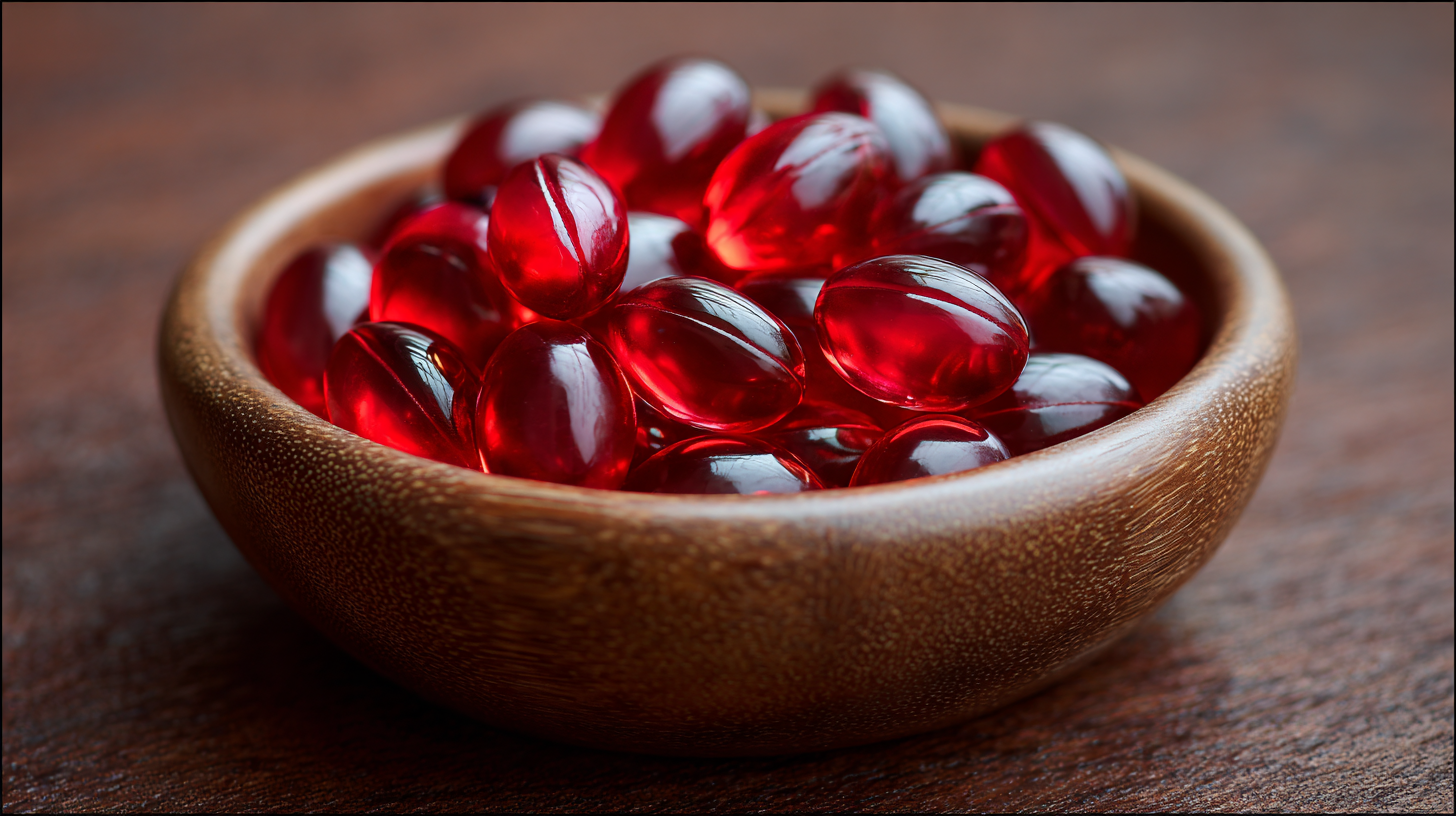
The Liberator in perimenopause is the woman who feels like everything suddenly got louder, and she doesn't know why. Now she does.
What Red Is Actually Doing in Your Body
Red has the longest wavelength in the visible light spectrum, which means it carries the most energy and penetrates the visual cortex with more intensity than any other color. Research published in Physiology & Behavior found that colored light exposure produces significant, measurable effects on heart rate and heart rate variability — the cardio-autonomic rhythms that reflect the balance between sympathetic and parasympathetic nervous system tone. (DOI: 10.1016/j.physbeh.2013.03.007) Color is not a passive aesthetic experience. It is an active physiological input. And red, specifically, is the most activating signal the visual system can receive.
This is why red in an unsupported environment — a bedroom painted deep crimson, a workspace saturated in high-chroma red, continuous exposure to intense red without grounding elements — can keep a Liberator nervous system in a state of elevated arousal when what it actually needs is permission to complete the energy cycle and land somewhere safe. Red in the wrong context doesn't release the suppressed fight response. It keeps it circulating.
But red used with intention is a different thing entirely. This is the clinical distinction that matters. In the Color Archetype framework, the Liberator's healing use of red is about grounded mobilization — giving the body's accumulated fight energy a form it can move through and complete, rather than continuing to store. The difference between red as a trigger and red as medicine is the grounding element. The containment. The structure that allows the energy to discharge without escalating.

The Three Paintings That Taught Me This
When I was making the Fragments to Fusion collection, three of the pieces landed in what I now recognize as the Liberator's color range — the crimson, orange-red, and vintage rosewood that runs through the collection's most emotionally charged work. I wasn't thinking about color archetypes when I made them. I was thinking about truth. And the body chose these colors for a reason.
Be Her was painted in the crimson and garnet range that I think of as Crimson Majesty. It's the Afro-futuristic Lady Liberty piece — the paintbrush as torch, the woman who finally stopped asking permission to be herself and just became her. That red isn't anger. It's arrival. It's what grounded mobilization looks like when the fight response finally gets to complete itself in a way that serves rather than destroys — when the fire becomes fuel rather than flame consuming from the inside.
Piercing My Soul lands in the Phoenix Flame range — that vivid orange-red of the orangutan's gaze that asks you to stay present with what you've been avoiding. This piece lives in the shadow work section of the collection, and that palette was right for the shadow. The shadow holds a lot of the same energy as The Liberator — unexpressed, unmetabolized, waiting for someone to look at it directly instead of routing around it. The orange-red of that gaze is not comfortable. It isn't supposed to be. It's the color of what happens when you finally stop moving fast enough to avoid what's been following you.
Panda's Storytime moves between Vintage Rosewood and calming blue — and that movement is clinically exact. Because the Liberator's healing arc isn't all fire. The warm muted rosewood in that piece honors the fire in the right proportion, paired with the blue tones that say: and when the energy moves, there is rest on the other side. There is the panda's quiet presence. There is the safe world that stories built when the real world wasn't safe. The piece holds the full cycle — activation, expression, landing — in its palette.
Red, Sleep, and the Liberator's Bedtime Problem
If you are a Liberator archetype and your sleep is suffering, I want you to understand something specific about what's happening. The same elevated sympathetic tone that characterizes your waking state doesn't conveniently turn itself off when you lie down at night. The body that has been storing incomplete fight responses all day doesn't automatically shift into parasympathetic restoration just because the lights went out. You are wired and tired simultaneously — the cortisol that should have peaked and dropped appropriately through the day has been running flat or staying elevated, and now your sleep architecture pays the price.

The Liberator's sleep prescription in the NRM framework is designed around this specific pattern. The smart light protocol is deep terracotta fading to warm amber as the evening progresses — not bright red, which would continue stimulating the visual cortex, but the muted, earthed version of the color that says to the nervous system: the fire is banked now. The day is finishing. You can let the heat drop.
The sleep beverage is cinnamon-rooibos tea, grounding decaf chai, or patchouli-spiced herbal blends. Cinnamon has been used in traditional healing systems for centuries as a warming, grounding herb — it brings heat to the periphery, supports circulation, and has documented anti-inflammatory activity that is relevant to the chronically elevated inflammatory burden that comes with sustained sympathetic activation. Ginger paired with it does similar work — warming, moving, completing the body's metabolic processes in a way that supports restful sleep rather than the stuck, ruminating kind.
The scent prescription for the Liberator is cinnamon and patchouli — warm, earthy, grounding. Not floral, which would feel incongruous to this nervous system profile, and not sharp or citrus, which would re-activate rather than settle. The ritual cue is a scent pulse at the neck and wrists as part of the wind-down practice — bringing the sensory prescription directly into the body rather than just diffusing it into the room.
The movement that supports Liberator sleep isn't vigorous exercise close to bedtime — that would further elevate cortisol and keep the system running hot. It's breathwork and embodied pacing. Slow, deliberate, rhythmic movement that gives the body's stored mobilization energy somewhere to go without re-escalating the arousal state. The complete motor response, finally allowed to finish. The body landing in its own weight.
The affirmation beneath all of this is: what I release becomes power. Not performance. Not suppression. Release. The Liberator's healing is not about learning to be less. It's about learning to complete what the body has been holding in storage and discovering that what comes after completion is not collapse — it's ground.
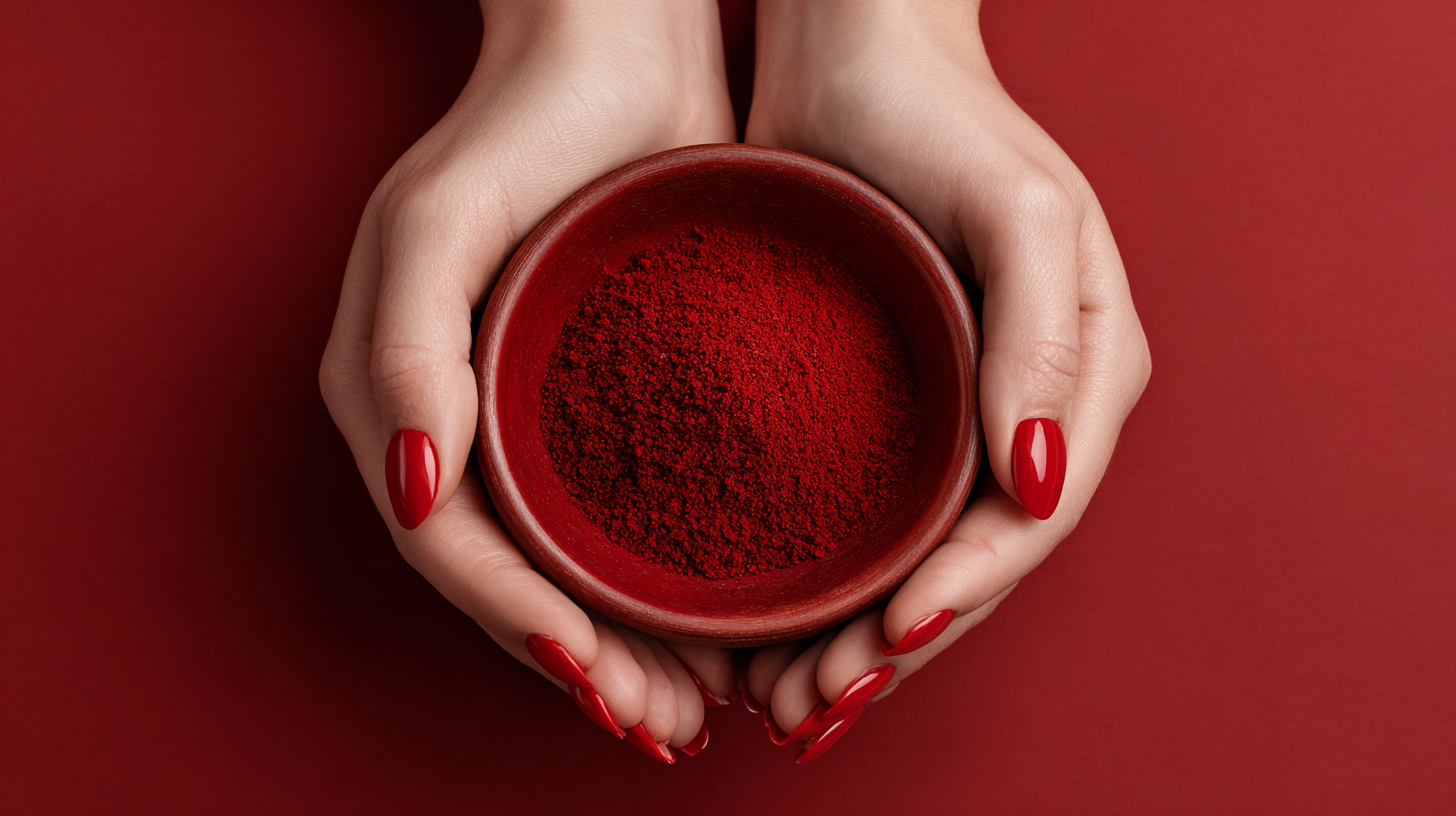
3 Ways to Use Red as Medicine
1. Build a Liberator Reset Space
Identify a space in your home — even a corner of a room — where you can physically move. Not exercise. Move. Shake your hands, shake your hips, breathe out through your mouth with sound. Pound your fists gently into your thighs. Let your body finish a sentence it never got to say. In this space, introduce one element of deep crimson or terracotta — a pillow, a throw, a ceramic vessel. This is not decoration. It's your body's permission slip. The color signals: in this space, the intensity is welcome. In this space, it has somewhere to go.
2. Wear Red With Intention — Not Performance
On the days when you know you're walking into something that will cost your nervous system something significant — a difficult conversation, a medical appointment, a situation that historically has asked you to suppress your response — wear red close to your body. A deep garnet layer underneath. A terracotta scarf. A small piece of red jasper in your pocket. Not to signal power to the room. To remind your nervous system that the energy inside you is not a problem to be managed. It is steady fire. It is grounded and powerful. You are the bear, the ram, the bull — rooted, not reckless.
3. The Liberator Evening Ritual
Thirty minutes before you want to sleep, begin the transition deliberately. Shift your light to terracotta or warm amber. Make your cinnamon-rooibos tea. Apply the cinnamon and patchouli scent pulse at your neck. Stand with both feet wide on the ground. Shake out your hands — then your hips. Breathe out through your mouth with sound, three times. Whisper: I am safe to shake loose. Pause. Press one hand to your sternum and say: Now I return. Then lie down. You've given the body's fire somewhere to go before you asked it to rest.
You Are Not Too Much. You Are Incomplete.
The Liberator archetype's core wound is the belief that her intensity is the problem. That the fire she carries is dangerous. That she needs to be smaller, quieter, more contained than she naturally is.
What the nervous system science says is something different. It says that what reads as intensity is often incomplete — fight energy that was activated and never allowed to discharge, mobilization that was started and then shut down, a body that has been trying to complete a sentence for years without being given the space to finish it.
Red medicine — the intentional, grounded, clinically informed use of this color's frequency in your environment, on your body, and in your rituals — is not about amplifying the fire. It's about giving it a safe shape. A container. A way to move through the system and complete the arc, so that what remains afterward is not ash but ground.
My emotions are not too much. They are rhythm waiting to land.
That's the Liberator's truth. And that's all I'm saying.
Meet the full Color Archetype framework: Every Color You See Is Talking to Your Nervous System. Here's What It's Saying. →
The pink post that opens this series: Pink Is Not a Soft Color. It's a Nervous System Signal. →
The art pieces referenced in this post live here: Be Her — The Coming Out Party Nobody Sent Me an Invitation To →
Meeting the Shadow — Carl Jung, the Dark Night of the Soul →
Take the Color Archetype Quiz →
Your color archetype is your nervous system's signature. Find yours — and find out what your environment has been doing to your sleep, your stress response, and your capacity to rest.
Sources
Grote V et al. Cardio-autonomic control and wellbeing due to oscillating color light exposure. Physiology & Behavior. 2013. DOI: 10.1016/j.physbeh.2013.03.007
NOTE: This post originated as a color psychology piece on Ceyise Studios exploring the healing properties of red. It has been fully rewritten here on drstaceydenise.com through the clinical lens of the Neuroaesthetic Reset Method™ — centering The Liberator color archetype, the suppressed fight response and its relationship to perimenopause, the HPA axis changes that amplify Liberator symptoms as progesterone declines, the sleep prescription specific to this nervous system profile, and the three Fragments to Fusion collection pieces — Be Her, Piercing My Soul, and Panda's Storytime — that were painted in the Liberator's color range before Dr. Stacey had the clinical language to name why.
Originally published on Ceyise Studios. Updated: April 2026.