10 Meditation Room Ideas Every Menopausal Woman in Houston Should Know
Updated: April 13, 2026
In the heart of Houston's fast-paced energy, having a space dedicated to calm and renewal isn't just a luxury—it's a clinical necessity.
I say that as a physician, not a decorator.
When your nervous system is running on elevated cortisol, when estrogen is shifting and your sensory threshold is lower than it's ever been, when the fluorescent lights at the office feel like an assault and the noise of the city follows you home—the environment you come back to matters more than most doctors will ever tell you.
This is the foundation of neuroaesthetics: the science of how your senses shape your biology. And nowhere is that science more practical than in your own home.
Whether you have an entire room or just a quiet corner, here are ten ways to create a sanctuary in your Houston home that your nervous system will actually thank you for.
1. Select a Serene Location
Where does your mind go when you think of a peaceful escape? Maybe it's a quiet corner bathed in soft light, the gentle sway of a curtain in the breeze, or the warm embrace of a sunlit garden nook.
Creating a meditation space isn't about square footage—it's about intentionality.
In Houston, where life moves fast and the heat lingers well into October, consider a spot that feels naturally cool and shielded from visual noise. A spare bedroom, a sunroom with soft drapery, or even a cozy corner of your living room can become your personal reset space. If you prefer outdoors, a shaded patio or a corner of your backyard with a pergola and plants can offer a grounding experience—especially in the early morning hours before the Houston heat arrives.
The nervous system connection: Your brain is constantly scanning your environment for cues of safety or threat. A dedicated space that signals "this is different from the rest of the day" helps your nervous system downshift faster. The ritual of entering that space becomes its own regulation tool.
2. Embrace Nature and Biophilic Design
Nature is the original nervous system regulator. A walk through Hermann Park, the sight of moss on the trees along Buffalo Bayou, or the sound of water at McGovern Lake—these aren't just pleasant. They are measurably calming to your autonomic nervous system.
So bring that same energy indoors.
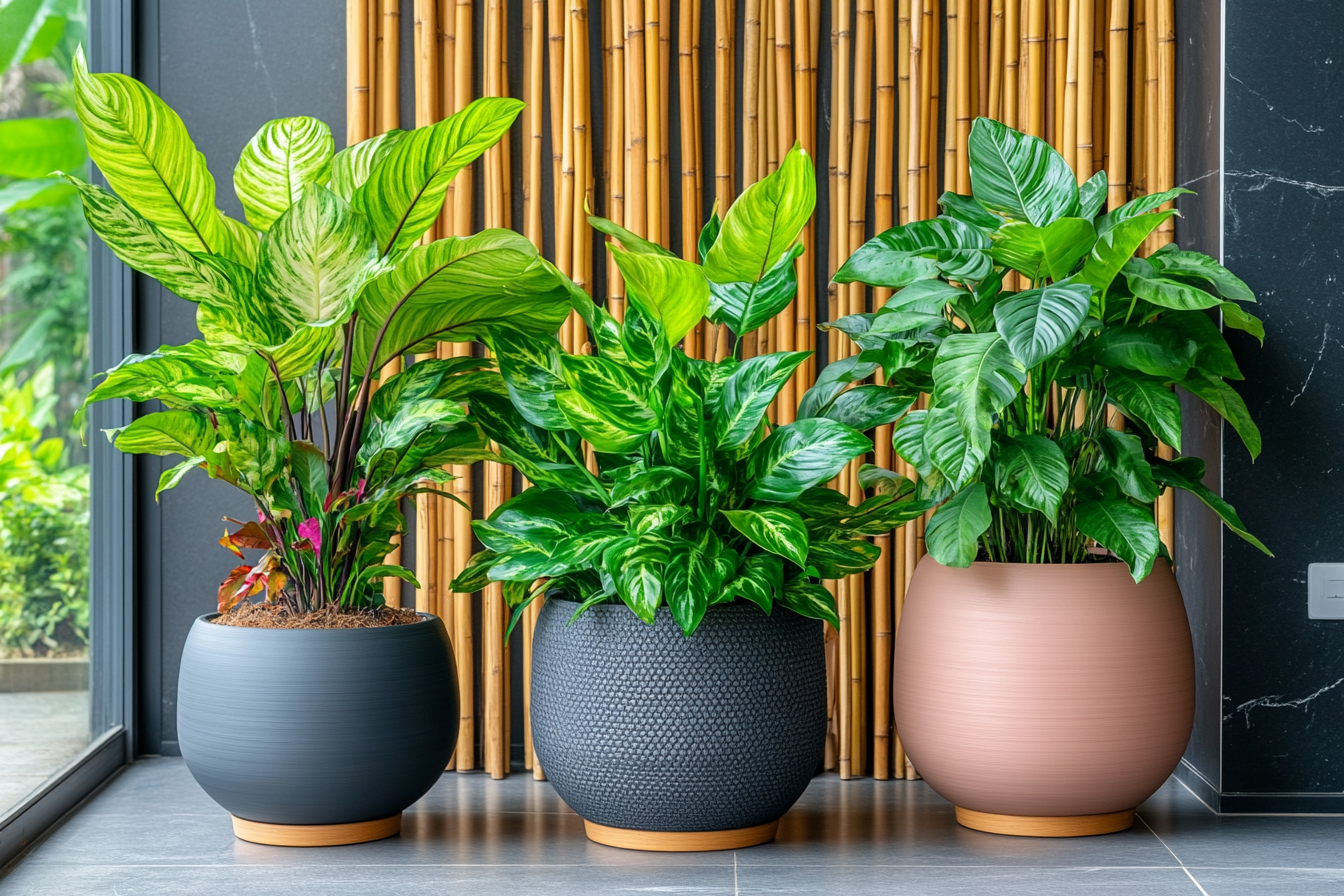
Biophilic design—nature-inspired aesthetics—enhances mental clarity, reduces cortisol, and supports emotional regulation. For Houston homes, where the climate supports lush greenery year-round, consider potted plants like peace lilies, ferns, or snake plants. These thrive indoors and purify the air while giving your visual field something soft and organic to rest on.
Water is another powerful element. A small tabletop fountain introduces the soothing sound of flowing water, which research shows activates the parasympathetic nervous system—the "rest and digest" branch that counteracts the chronic stress response.
The perimenopause connection: As estrogen declines, the amygdala—your brain's threat detector—becomes more reactive. Nature exposure directly calms amygdala activity. This isn't wellness language. This is neuroscience.Water is another powerful natural element for relaxation. A small tabletop fountain can introduce the soothing sound of flowing water, a reminder of nature’s gentle rhythm. For those who want to feel more grounded, incorporating natural materials like wood, stone, or clay in decor or furniture can add warmth and an organic touch.
3. Choose Calming Colors Intentionally
Color is not decoration. Color is information your nervous system is processing constantly, whether you're aware of it or not.
For a meditation or reset space, soft earthy neutrals like warm beiges, off-whites, and gentle taupes create a calming visual foundation. Muted greens and blues evoke nature's presence and help the mind settle. Soft blush pinks and terracottas can add emotional warmth without overstimulation.
What to avoid: bright reds, neons, and stark contrasts. These activate the sympathetic nervous system—the "fight or flight" branch. In a space designed for regulation, they work against you.
For Houston homes specifically: Consider the light quality in your space. Houston's warm, golden light in the late afternoon interacts differently with wall colors than northern light does. Warm neutrals and soft greens tend to read beautifully in Texas light rather than feeling washed out.
4. Maintain Minimalist Decor
Clutter is a nervous system stressor. This is not an opinion—it's measurable. Visual complexity increases cognitive load, which keeps your brain in a low-grade state of alert even when you're trying to rest.
In a world that constantly demands your attention, minimalism offers a counterweight.
Start with intentional furniture choices: a supportive meditation cushion, a low-profile bench, or a simple mat. One statement piece—a sculpture, a textile, a meaningful artwork—is more powerful than many. Keep surfaces clean. A small arrangement with a candle, an incense holder, or a meaningful object can anchor the space without cluttering it.
The neurodivergent consideration: If you are autistic or ADHD, visual clutter may be significantly more dysregulating for you than for neurotypical women. A minimalist meditation space isn't just aesthetically pleasing—for your nervous system, it may be the difference between being able to regulate and not.

5. Create a Cozy and Supported Seating Area
Your body cannot regulate if it is uncomfortable. This sounds obvious and yet so many meditation spaces prioritize aesthetics over actual physical support.
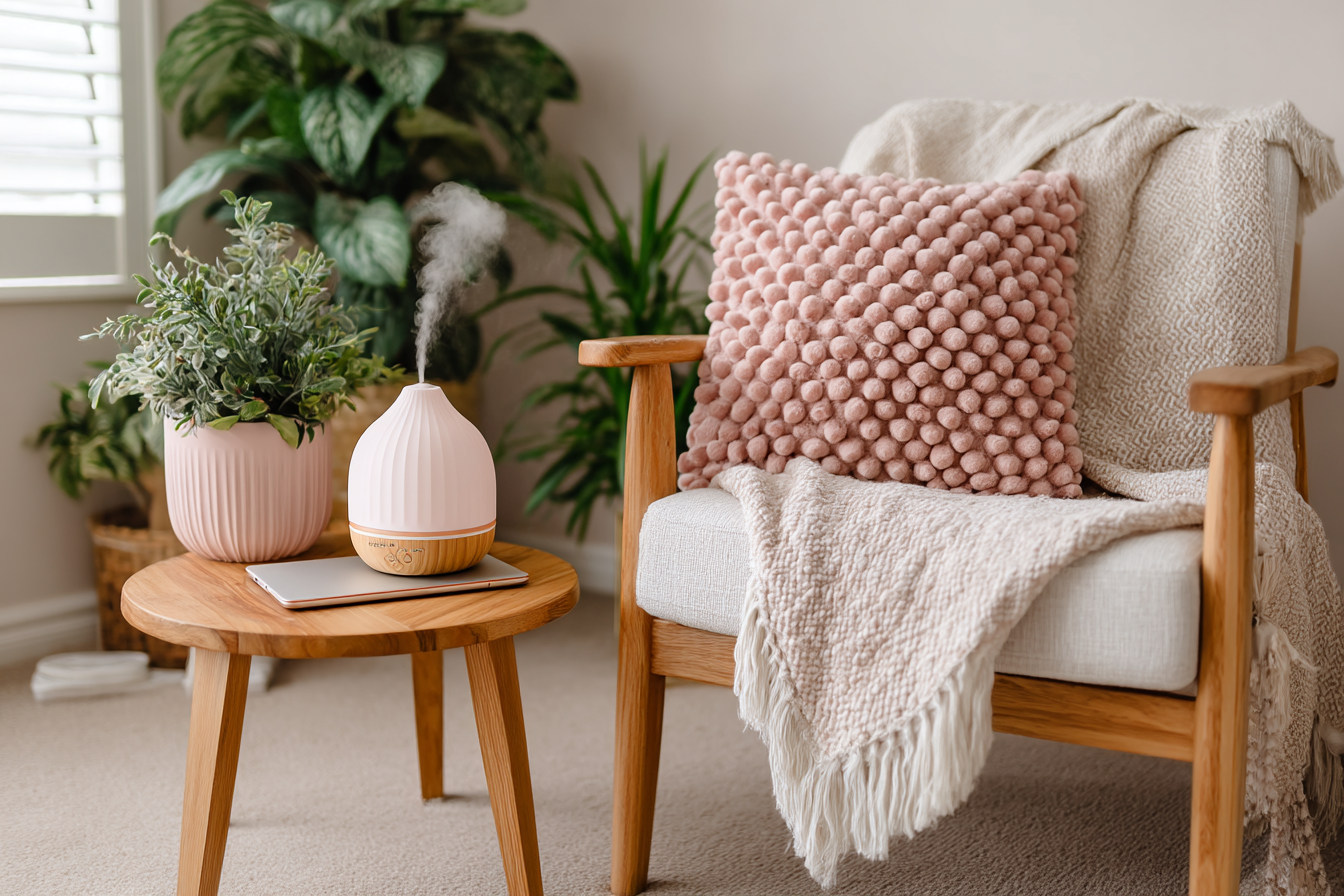
Start with a plush meditation cushion, a soft zabuton mat, or a supportive ergonomic chair if seated floor positions are not accessible for your body. Position your seating near natural light or a peaceful sightline when possible. Layer with soft textures—a cozy throw, a lumbar pillow, a woven rug beneath your feet.
The more your body associates this space with physical ease and safety, the faster your nervous system will downshift when you enter it.
The menopause body connection: Joint changes, body temperature fluctuations, and shifts in pain sensitivity are all real during perimenopause. Honor where your body actually is right now—not where it was five years ago. A meditation space that requires you to sit in a posture that hurts is a meditation space you won't use.
6. Integrate Aromatherapy as Nervous System Medicine
Let me be clear about something before we talk about candles and diffusers.
Aromatherapy is not what the mall has sold you. The synthetic fragrance cloud you walk through at the department store and the clinical use of essential oils to modulate your autonomic nervous system are two entirely different things. One can actually harm you. The other can be a genuine tool for nervous system repair.
Scent has a direct pathway to your limbic system—the emotional and memory center of your brain. This means inhalation of the right essential oils can activate your parasympathetic nervous system, increase vagal tone, and reduce cortisol before your conscious mind has registered anything at all. For women in perimenopause whose nervous systems are hyperreactive and whose sensory thresholds are already pushed past their limits, this is significant.
What actually works for menopausal women:
For grounding and stress reduction: cedar wood, vetiver, patchouli, and sandalwood help regulate the emotional brain and bring you back into your body. For hormonal support and sleep: clary sage, geranium, Roman chamomile, and valerian support the neuroendocrine system and ease the transition into rest. For brain fog and mental clarity: rosemary, eucalyptus, and holy basil offer activation without overstimulation.
The rule for sensory-sensitive women:
Less is always more. One drop on a cotton pad. A spray on a tissue. A 30-second intentional inhalation and then set the oil aside. The goal is a nudge—not saturation. For neurodivergent women especially, too much of even a calming scent can have the opposite effect.
Use diffusers, beeswax or soy candles, or a simple spray bottle with distilled water and a few drops of essential oil depending on your preference. A small essential oil roller on your wrists before you sit down creates a sensory anchor—over time, that scent alone will begin to signal your brain toward calm.
🎧 Want to go deeper on this?
I sat down with Amy Anthony, one of New York City's top certified clinical aromatherapists from NYCAromatica, on The Nervous System Eats First podcast to talk about exactly this—scent as nervous system medicine for women in perimenopause, menopause, and autistic burnout. She walked us through specific oils for hot flashes, brain fog, night sweats, executive dysfunction, and emotional regulation. It's one of my favorite conversations.
Listen to the episode: Scent as Medicine with Amy Anthony →
And read the full companion post here: Scent as Medicine: What a Clinical Aromatherapist Wants Every Menopausal Woman to Know →
7. Layer Your Lighting
Lighting is one of the most clinically significant design choices you can make—and one of the most overlooked.
Overhead fluorescent or cool-white lighting suppresses melatonin and activates the cortisol response. In a space designed for nervous system regulation, this works directly against your goals.
Instead, layer warm-toned light:
Floor or table lamps with bulbs in the 2700-3000K range (warm white)
Dimmable sconces that let you adjust brightness by time of day
String lights or Himalayan salt lamps for soft, ambient glow
Candlelight for the deepest relaxation—the flickering motion also enhances focused attention
The circadian connection: Light is the primary signal your brain uses to regulate your circadian rhythm. Warm, dim light in the evening tells your brain it's time to move toward rest. Building this into your meditation space reinforces the signal your body already needs—especially during perimenopause when circadian disruption is common.
8. Include Meaningful and Mindful Decor
Every object in your space is sending information to your nervous system. Choose objects that signal safety, beauty, and meaning.
Consider:
Artwork that evokes stillness or nature
Natural textures: stone, clay, woven fiber, wood
A small personal altar with objects that center you—crystals, a candle, written affirmations, a photograph
A Zen garden for tactile engagement and present-moment focus
The key is intentionality. Everything in the space should be chosen. Nothing should just end up there.
9. Personalize It to Your Houston Life
Your nervous system responds to familiarity and personal meaning. A space that reflects you—your history, your aesthetic, your cultural identity—is more regulating than a perfectly designed space that feels like it belongs to someone else.
Maybe that means artwork that evokes the blues of Galveston Bay. A woven textile from a local artisan market on Westheimer. A plant from a nursery in the Heights that reminds you of your grandmother's garden. A photograph from a moment that made you feel fully yourself.
This is especially important for Black women and women of color navigating spaces that have historically not been designed with us in mind. Your meditation room can be one space that is entirely and unapologetically yours.

10. Protect It from Technology
In a city as connected and fast-paced as Houston, carving out a tech-free space is an act of genuine self-preservation.
Screens emit blue light that suppresses melatonin. Notifications trigger cortisol micro-spikes even when we're not consciously registering them. The mere presence of a phone in a space changes how fully we can relax in it—research confirms this.
If you use a device for guided meditations, set it to Do Not Disturb and place it face down. Better yet, invest in a dedicated meditation speaker so your phone doesn't need to be in the room at all. Keep screens out of this space entirely when possible.
Your brain needs at least one place in your life that isn't asking anything of it. This is that place.
Crafting Your Houston Sanctuary
Whether you're transforming a cozy apartment in Midtown, a historic home in The Heights, or a spacious retreat in The Woodlands, a dedicated nervous system reset space can profoundly change the quality of your daily regulation.
You don't need an entire room. You don't need a renovation. You need a corner, some intention, and the understanding that your environment is either working with your healing or against it.
Start small. One element at a time. Let the space evolve with you.
And if you want to go deeper on how your home environment is affecting your hormones, your sleep, and your nervous system during perimenopause—that's exactly what we talk about in the Auntie Menopause Circle.
Come join us.
Join the Auntie Menopause Circle →
Want to understand the science behind why environment matters so much during menopause? Start here: What Is Neuroaesthetics? The Gentle Science of How Beauty Heals Your Brain →
NOTE: This post was originally published on Ceyise Studios, my design and neuroaesthetics platform, and has been brought here to drstaceydenise.com because it is foundational to the clinical work I now do with neurodivergent women navigating perimenopause and menopause. Some of those original posts have been retired. Others have been expanded into updated companion pieces that go further than the original could. Where a newer version exists, you will find a link to it at the top or bottom of this post.