
Bridging Neuroscience and Nutrition: What Neurodivergent Women Need to Know
What foods help me focus better? Can nutrition help with sensory overload? What’s the gut-brain axis everyone keeps talking about?
Girlfriend, your body is not broken. It’s broadcasting to bridge neuroscience and nutrition.
Those moments of brain fog, sensory shutdown, or emotional reactivity are not just personality quirks—they are often biochemical signals. You’re not imagining things when you feel clearer after certain meals or more frazzled after a snack. Food is information. And your nervous system is listening.
The Gut-Brain Conversation
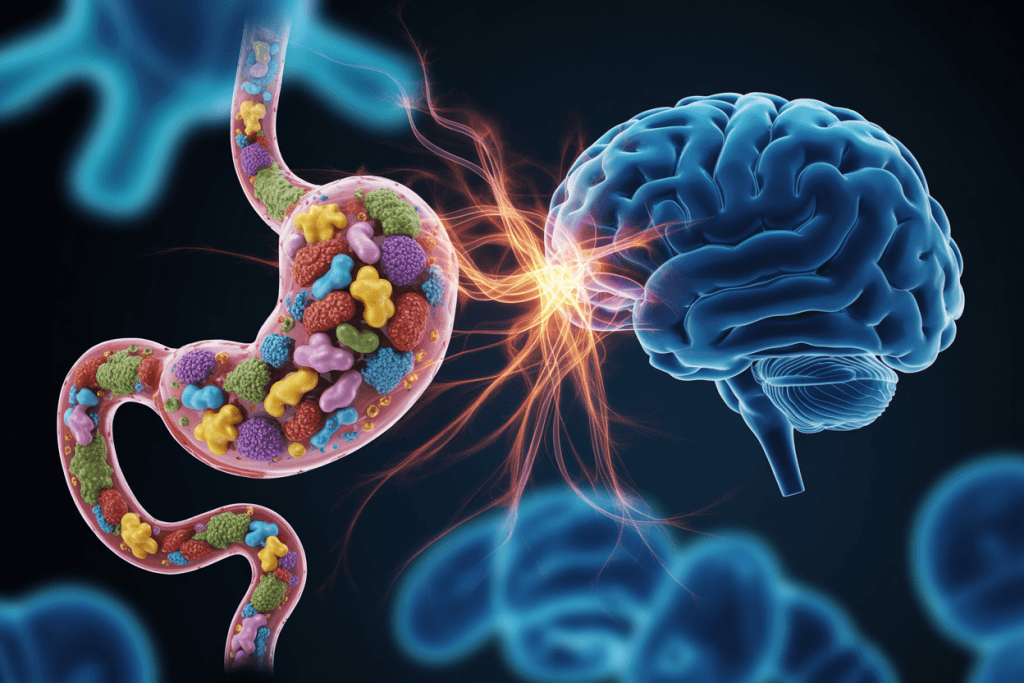
The gut and brain are in constant dialogue through a system called the gut-brain axis. This connection includes the vagus nerve (the body's information highway), immune signaling, and our enteric nervous system (the "second brain"). For neurodivergent women, this axis can be hypersensitive—or underactive—depending on your environment, stress levels, and diet.
Disruptions to gut health can result in increased permeability (aka “leaky gut”), lower microbial diversity, and inflammation—all of which have been linked to mood instability, anxiety, and cognitive sluggishness. When your gut is inflamed, your mind often feels inflamed too.
Neurotransmitters: Your Mood Messengers
Serotonin, dopamine, GABA—these neurotransmitters are like emotional currents. And many of them are made from nutrients that come directly from food. For instance:
- Tryptophan (from turkey, pumpkin seeds) helps make serotonin
- Tyrosine (from eggs, poultry) supports dopamine synthesis
- Magnesium (from leafy greens, pumpkin seeds) modulates GABA, the calming neurotransmitter
When nutrient co-factors are depleted, your ability to regulate focus, motivation, or calm is impacted—no matter how hard you try mentally.
Why This Hits Different for Neurodivergent Women
Many women with high-functioning autism or ADHD have increased demand for nutrients due to chronic low-grade inflammation, sensory stress, or stimulant medications. You may also struggle with appetite, irregular eating, or food aversions, which impact nutrient absorption.
The result? Emotional dysregulation masquerading as "overwhelm," food cravings that feel out of control, or burnout that sleep alone can’t fix.
Your Brain Deserves Better Fuel

The answer is not in willpower—it’s in wiring. And before you overhaul your diet, your nervous system must feel safe enough to receive change. That’s why the Neuroaesthetic Reset Program focuses first on regulation before renovation.
We help you re-establish safety through visual rituals and sensory-attuned lifestyle rhythms. Only then—through our 1:1 Medical Root Reset Consult—do we go deeper into nutrient-based healing, hormonal health, and how food functions as emotional language in your system.
Want to know what your nervous system is truly hungry for? Take the Color Archetype Quiz and receive our Food as Medicine Recipe Guide—a beautiful entryway into using food as emotional fluency, not just fuel.