Why Menopause Can Quiet Your Hunger and Fullness Cues

September 04, 20254 min read

Imagine sitting down for dinner and realizing you’re not sure if you’re hungry. You eat a few bites, then wonder if you’re full. Sometimes you skip meals until you feel shaky. Other times, you eat past comfort because the “I’m full” signal never arrives.

If this sounds familiar, you’re not alone. Many women notice their hunger and fullness cues grow quiet during menopause.

Why This Isn’t Just “Menopause” — and Why That Matters

Why Menopause Changes Hunger and Fullness

Estrogen doesn’t just influence hot flashes or mood. It also helps regulate brain regions that track hunger and satisfaction:

  • The insula — your body’s dashboard, which senses signals like hunger, fullness, and other internal states.
  • The hypothalamus — the command center for hormones, appetite, and energy balance.

When estrogen declines, the communication between your brain and gut hormones like leptin (fullness) and ghrelin (hunger) can get fuzzy. Research shows that during the menopausal transition, women often experience a paradox: appetite and food cravings increase, but actual food intake may decrease, while fullness signals become less reliable (Duval et al., 2013).

Beyond estrogen, other hormonal shifts matter too. Cortisol (stress hormone) can stay elevated, masking hunger signals. Thyroid changes can affect metabolism and appetite. It's not just one hormone—it's your entire system recalibrating.

Interoception and Your Body’s “Dashboard”

The ability to notice hunger, thirst, or a racing heart is called interoception. Think of it as your body’s internal dashboard.

Research confirms that interoceptive cues your body's internal signals and are deeply personal and easily disrupted by hormonal shifts, making eating feel more mechanical and less intuitive (Stevenson, et. al., 2023).

When the dashboard is clear, you know when to eat and when to stop. But in menopause, declining estrogen, poor sleep, and chronic stress can dim those dashboard lights. For neurodivergent women who already live with alexithymia or sensory sensitivities, the signals may feel almost silent.

How Neurodivergence Adds to the Challenge

If you’re neurodivergent, you may have long relied on routine eating times instead of waiting for body cues, and that's actually been protective. Many autistic and ADHD women develop structured eating patterns because internal hunger cues can be unreliable or overwhelming. Certain textures or “safe” foods may have been your anchors. Menopause adds another layer of difficulty, creating a perfect storm where eating feels mechanical, joyless, or inconsistent.

The Menopause Reset Method™

Real-Life Symptoms You Might Notice

  • Skipping meals because hunger doesn’t register until it’s extreme
  • Eating past comfort because fullness cues arrive too late
  • Feeling disconnected from the taste, texture, or joy of eating
  • Losing interest in foods you once enjoyed

These aren’t failures of willpower. They are signs that your body’s dashboard needs gentle recalibration.

Small Steps to Reconnect With Eating

Here are a few ways to begin restoring awareness of hunger and fullness in daily life:

1. The Gentle Check-In
Before meals, pause and ask: “Where is my hunger on a scale of 1 to 10?” Do the same halfway through eating. No judgment, just notice.

2. Color-Coded Meals
Pair foods with colors that mirror your energy. For example, green for grounding, orange for warmth. This brings sensory joy back into eating when cues feel flat.

3. Slow Texture Practice
Take one bite slowly, paying attention to crunch, smoothness, or warmth. This can reawaken the sensory side of eating, which often goes quiet in menopause.

4. Routine With Flexibility
If you thrive on routine meals, keep them. But add gentle flexibility by checking in with your body before and after. Over time, this blends routine with awareness.

Gentle Next Step

If menopause has left you disconnected from your meals, you don’t have to figure it out alone. My Reset Pathway is designed to help women like you, women navigating hormonal changes, brain-body disconnection, and the unique challenges of midlife.

👉 Take your next step here: whether that’s a group conversation, a short reset, or deeper one-on-one support. The name may change, but the goal remains the same: to help you rebuild trust with your body, your meals, and yourself.

References

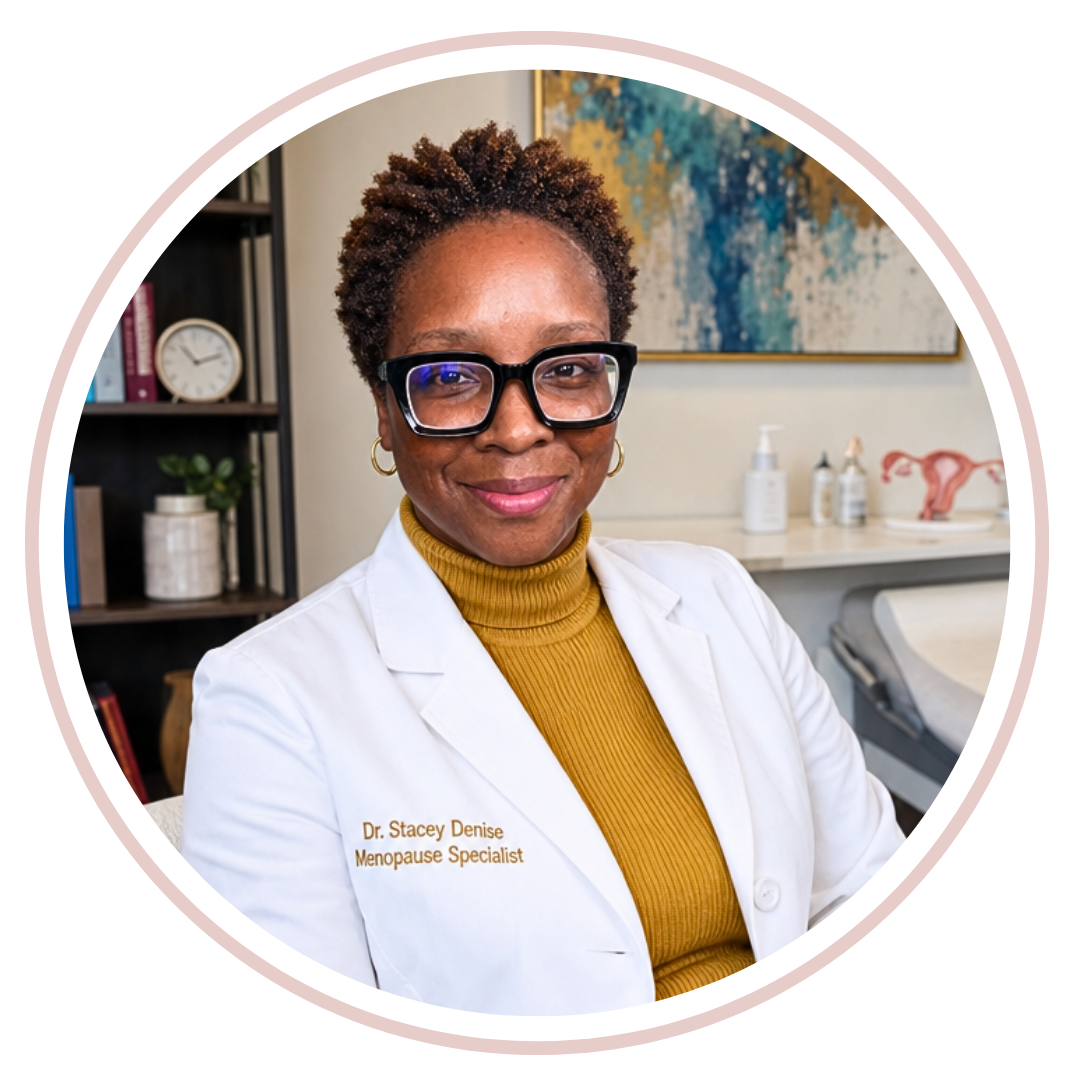
Dr. Stacey Denise Moore is a board-certified surgeon, lifestyle medicine physician, and the founder of Ceyise Studios®. Known as The Neuroaesthetic MD™, she specializes in helping women in midlife optimize their metabolic health, sleep, and environments. By blending clinical neuroscience with sensory design, she teaches patients and organizations how to create spaces and habits that support nervous system regulation and hormonal balance.

Dr. Stacey Denise

Dr. Stacey Denise Moore is a board-certified surgeon, lifestyle medicine physician, and the founder of Ceyise Studios®. Known as The Neuroaesthetic MD™, she specializes in helping women in midlife optimize their metabolic health, sleep, and environments. By blending clinical neuroscience with sensory design, she teaches patients and organizations how to create spaces and habits that support nervous system regulation and hormonal balance.

LinkedIn logo icon
Instagram logo icon
Youtube logo icon
Back to Blog