How Art and Color Aid Brain Injury Recovery?
Updated: April 2026
Before you read this post, I want to tell you something about when it was written.
The date on the original post was August 1, 2022. At that point, I was a physician who had spent years inside the neurology of art — who understood from my surgical training and my clinical reading exactly how art engages both hemispheres of the brain, how it activates neuroplasticity, how color therapy has measurable effects on patients recovering from stroke and traumatic brain injury. I was writing about all of that from the outside. From the clinical observer's seat.
What I didn't know yet was that I was about to become the patient in my own argument.
The Fragments to Fusion collection, seventeen pieces of figurative expressionist art documenting my journey from childhood trauma through surgical training through CPTSD through healing — didn't exist yet. The Modern Muse exhibition hadn't happened. The Her Series wasn't painted. I hadn't yet stood in a gallery in Houston's Third Ward and read a spoken word poem about my own healing to a room full of people who came as strangers and left as witnesses.
I hadn't yet discovered that the same neuroplasticity I was writing about clinically, the brain's ability to heal itself through creative engagement, to form new neural pathways, to reorganize around a new story, was exactly what making art was doing to me while I was doing it.
This post is a legacy document. It is the first thing I ever published about art and the brain, written before I knew from the inside what I was talking about. I'm keeping it exactly as it was written because it deserves to stand as what it was — a physician who already loved the brain, already understood the neurology of beauty, already believed that art could heal — before she had her own healing to point to as proof.
Read it knowing that everything that comes after it — the color archetypes, the Neuroaesthetic Reset Method, the clinical practice built around the nervous system and the environment, the artwork, the music — all of it was already living in this first post, waiting.
The post that followed — written after I became the patient in my own argument: Art Isn't Just Good for Your Soul. It's Good for Your Brain. →
The living proof of everything this post was pointing toward: Modern Muse — What It Actually Was → See Her — A Declaration of Visibility →
How Art and Color Aid Brain Injury Recovery?
How Art and Color Aid Brain Injury Recovery is a question that invites creative approaches to treatment. Art therapy for brain injury, which includes color-based interventions, is increasingly recognized as a way to support recovery. This method not only helps improve cognitive skills but also soothes emotional challenges, enhancing mental flexibility and overall well-being for TBI patients.
According to an article published by the U.S Department of Defense on the 20th of July, 2016. They (US Dept. of Defense) talked about patients using the elements of painting to help aid their traumatic brain injury.
It's quite unfortunate that many people tend to see art as just paintings hung on the wall. Neurologists would disagree with you! Speaking of Neurologists, use art to assist with migraines and sleep.
Also, for family care physicians, it quickens the recovery rate from many types (if not all) of physical ailments.
Art as a Form of Therapy
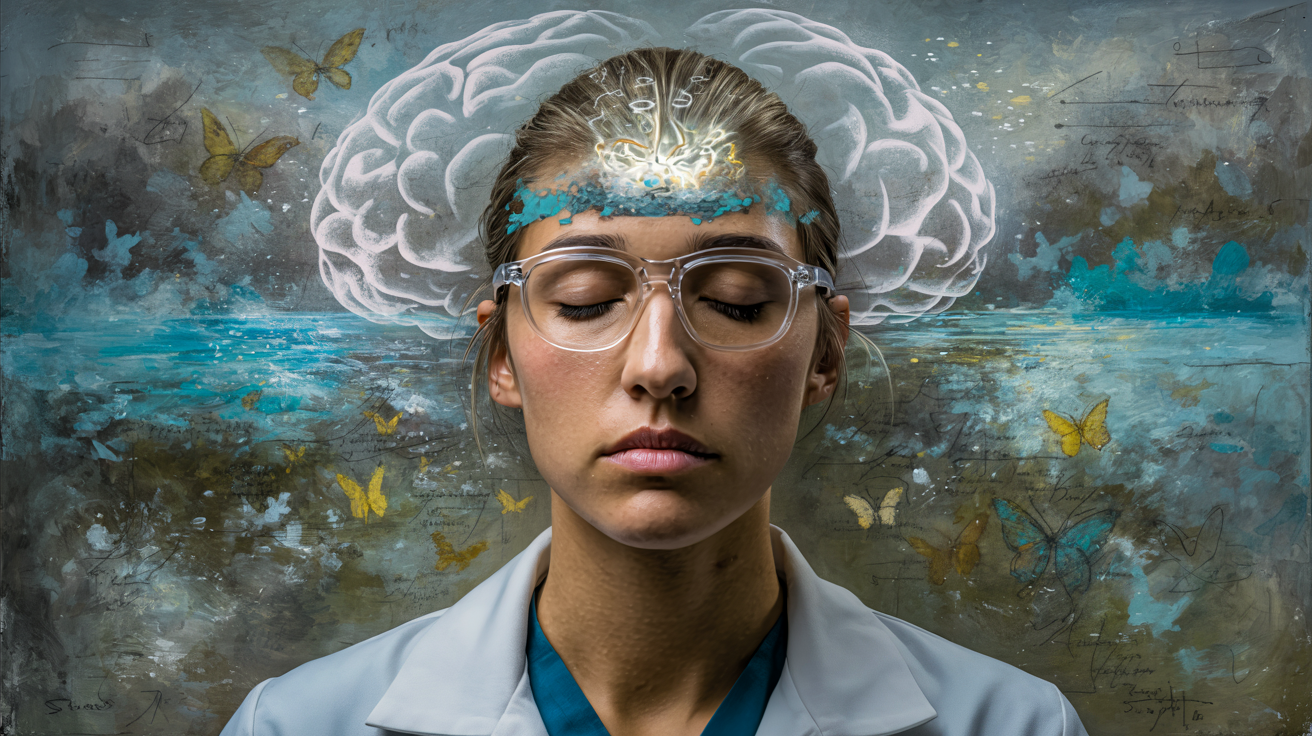
Let us go a bit further by talking about how art can affect TBI recovery. It is a personalized approach that aids cognitive functions. Thousands of years back, art was accepted as a real form of therapy for people suffering from Traumatic Brain Injury.
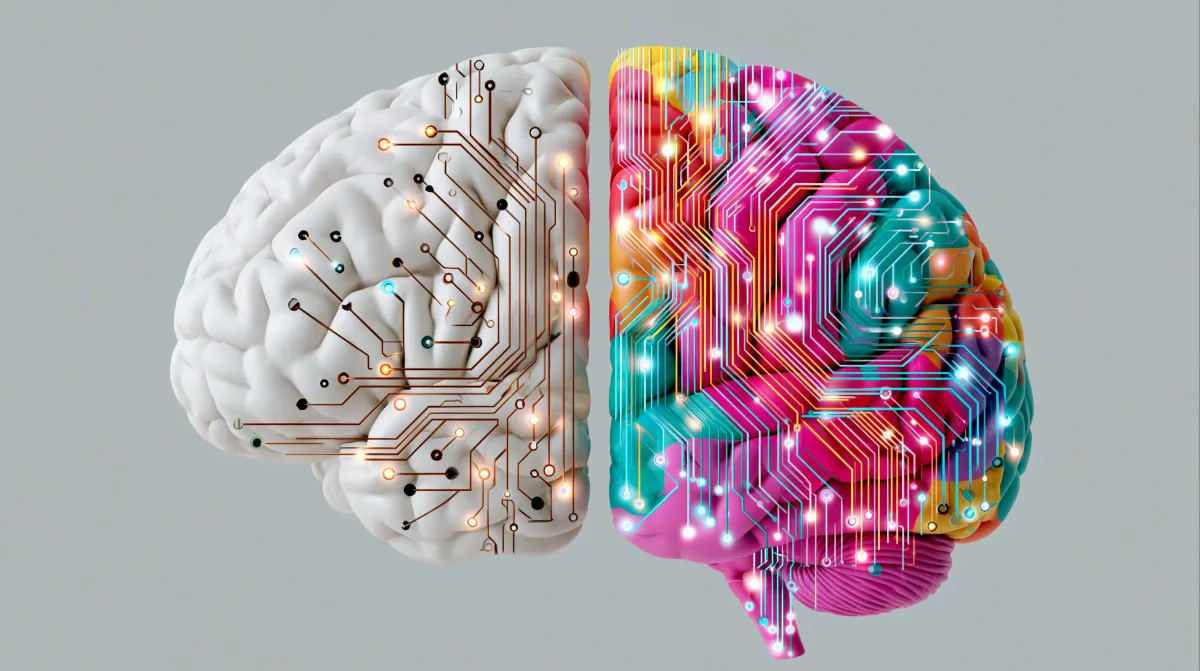
So, what's so special about it? The secret lies in its ability to engage the two sides of the brain — that is, both the right and left hemispheres of our brain.
Recently, MRI research showed that art helps to activate the two parietal lobes. These are the parts that help to reason and control our depth perception. It is safe to say that the main goal is to help stimulate the brain and to also activate neuroplasticity.
Neuroplasticity, for those who don't know, is the brain's natural mechanism designed to let the brain heal itself. What that simply means is that the more you stimulate the brain, the more the brain forms what is known as neural pathways. Art can heal your brain. Yes, it can.
Color Therapy
A piece that was posted in the Yonsei Medical Journal talked about the effect of using color on purpose in life in patients battling stroke. The study aimed to look at the depth and change in the level of purpose in life in these patients with strokes by applying art therapy through the use of colors. The result of the study showed that color therapy will improve the purpose in life of the patients.
Where Does It Begin?
The whole idea of using art therapy lies with the patient's ability to grieve the lost former lives and learn new ways to live as a human.
The story of Jevon is a perfect example. 13 years ago, she was involved in a car crash that left her with facial palsy, tremor, and right-sided weakness. She was never a fan of art. But she found solace in painting. She found a new life in her ability to paint.
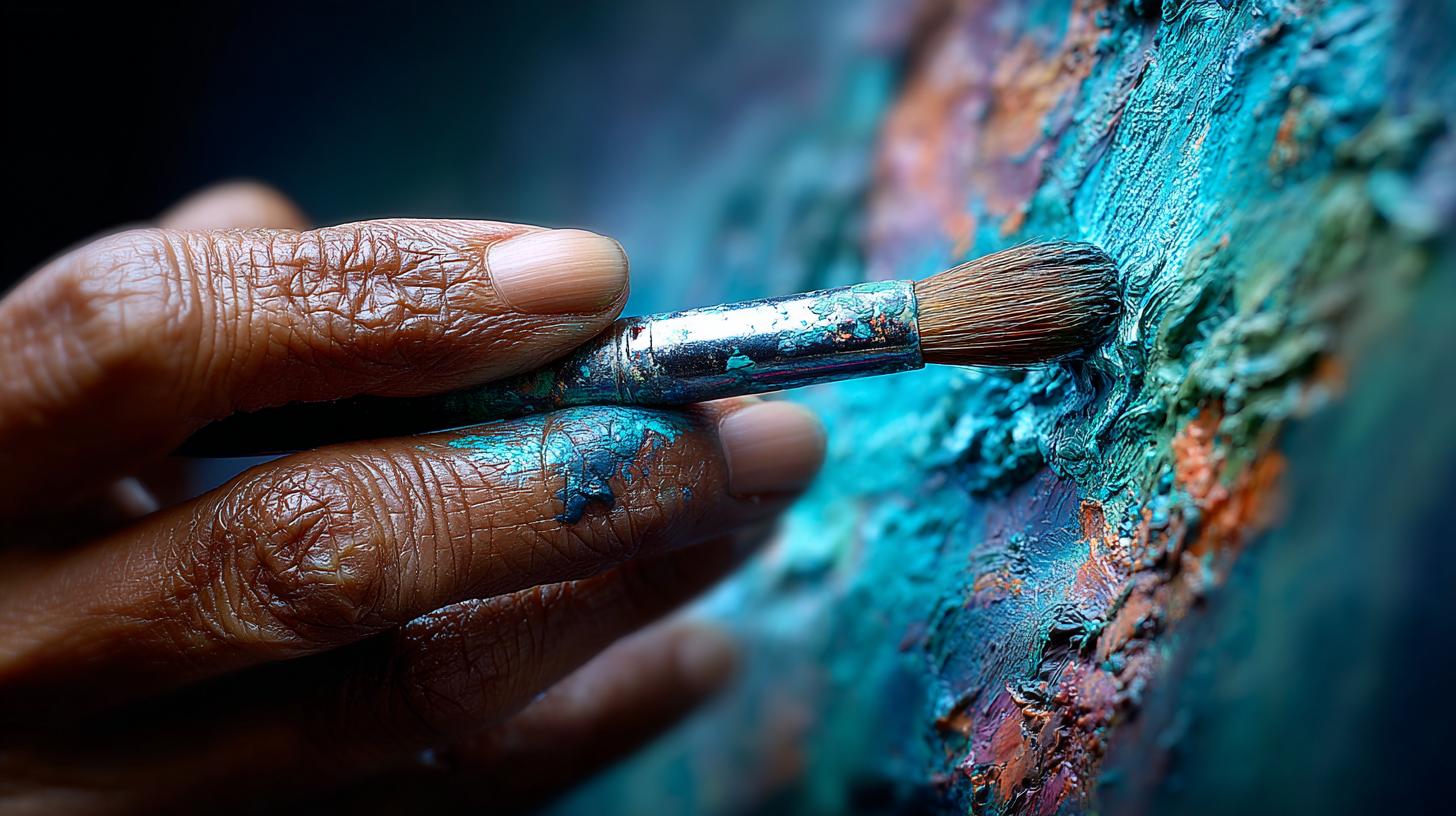
How Art Affects Traumatic Brain Injury Recovery
1. Relieves symptoms of depression
With the use of art, one can fight depression effectively. With art, you will be able to fight the chemical imbalances responsible for depression. Next to brain injury is depression. The fact that it usually takes place in groups, painting or art therapy gives TBI patients and survivors another chance to rebuild their social skills — an important ingredient needed when you are on your path to recovery.
2. It increases mental flexibility
Both flexibility and perseverance are increased with the aid of art therapy. Painting most of the time doesn't go as planned — not knowing the right color to use, making use of the wrong brush, having a larger drawing than intended. Trying to figure these things out tends to help improve creativity, and more importantly, it helps to improve flexibility. With paintings and art in general, you can deal with impromptu problems and learn to navigate them constructively.
3. Improves self-esteem and self-management
For a TBI patient, self-management and self-esteem need to be restored, as both are often absent during this painful experience. With painting, you get to decide for yourself what you want to create and how you want to create it. As mild as this sounds, decision-making lets you have the autonomy that you once lacked. With art, you can tell your own story, feel positive about it and yourself, and find a medium to communicate your experience to the people closest to you.
Want to understand the science behind why environment matters so much during menopause? Start here: What Is Neuroaesthetics? The Gentle Science of How Beauty Heals Your Brain →
Join the Auntie Menopause Circle →
If this resonated with you, you are not alone in this journey. The Auntie Menopause Circle is where women who are done being dismissed come to learn, heal, and find each other.
NOTE: This post was originally published on Ceyise Studios on August 1, 2022 — the first piece Dr. Stacey Denise ever wrote publicly about art and the brain. It has been migrated to drstaceydenise.com and preserved in its original form as a legacy document, with an introductory reflection added to honor its place as the origin point of the clinical art and neuroaesthetics work that followed. The original body of the post has not been altered.
Originally published on Ceyise Studios, August 1, 2022. Updated: April 2026.