Is Your Healthy Diet Making Perimenopause Symptoms Worse?
Is Your "Healthy" Diet Making Your Perimenopause Symptoms Worse?
You’re doing all the "right" things.
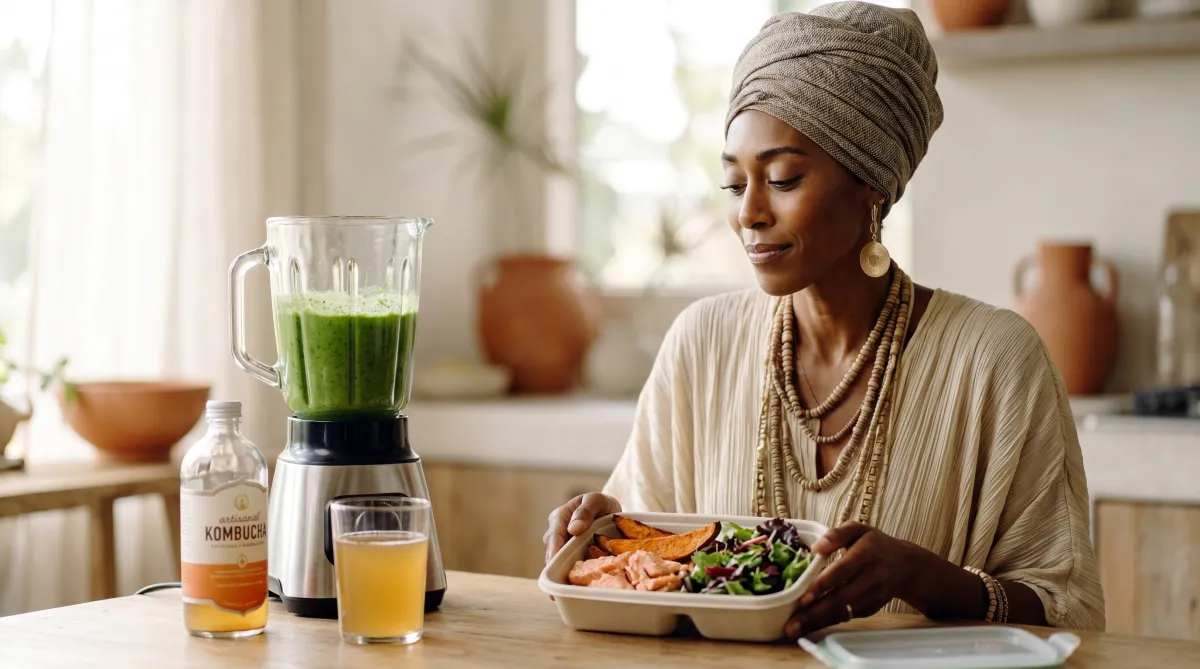
You blend a spinach smoothie every morning. You drink kombucha for gut health. You meal-prep leftover salmon so you have easy protein for the week. You eat better than most people you know.
And your perimenopause symptoms are still loud—flushing, skin reactions, headaches, and a sleep cycle that is completely falling apart.
If you are wondering why your healthy diet is making perimenopause worse instead of better, the answer may be more obvious than you think. By the end of this post, you'll understand why the very foods you eat for your health might be triggering a histamine response, and you will have a clear list of simple swaps to help calm your symptoms today.
Why "Healthy" Foods Can Become a Problem in Perimenopause
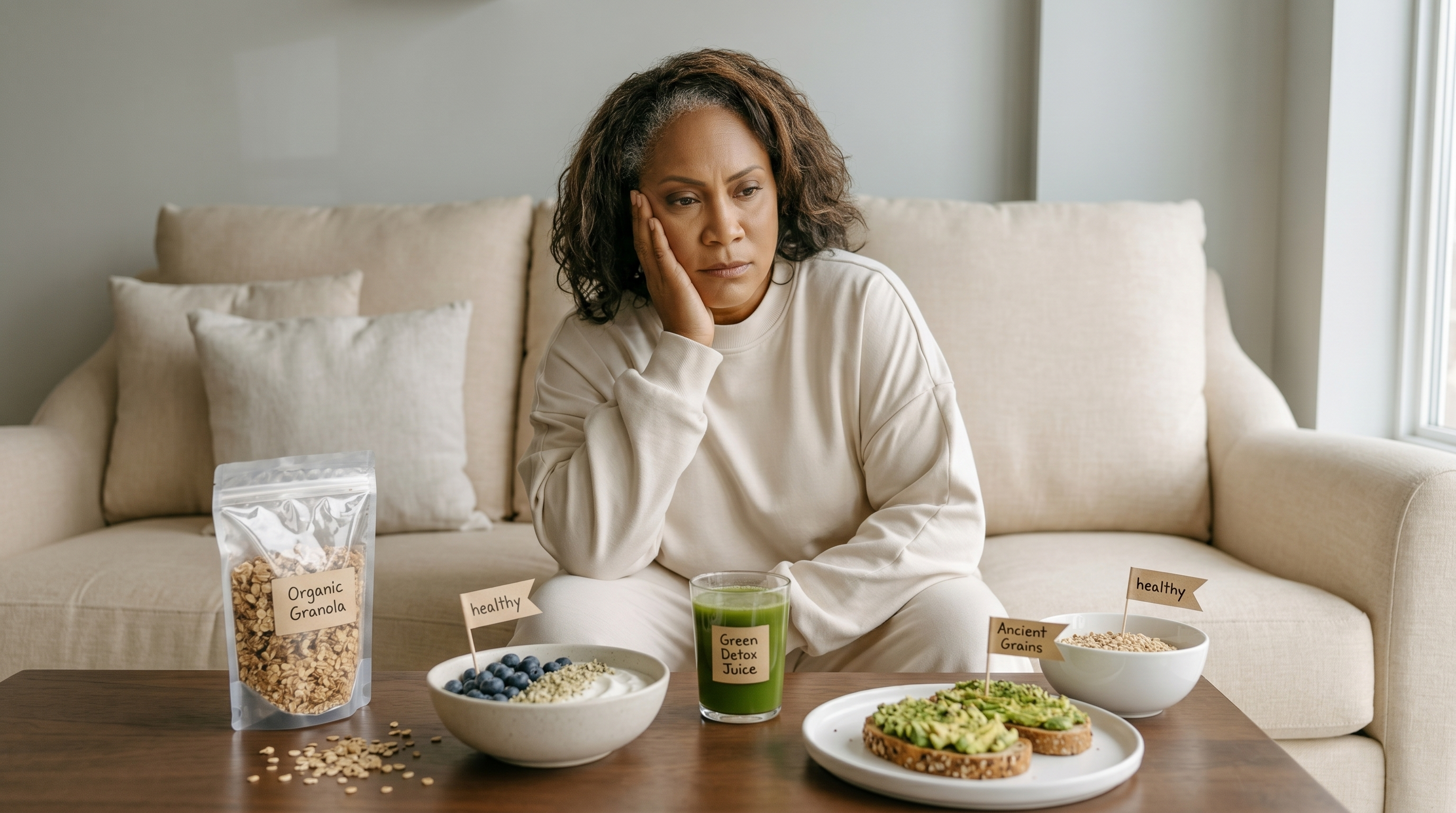
In perimenopause, wild estrogen fluctuations can overactivate your mast cells—the immune cells responsible for releasing histamine.
At the exact same time, if your gut lining is compromised, your body's ability to clear that dietary histamine becomes significantly less effective. It's a perfect storm: you are producing more histamine, and your body is losing its ability to break it down.
"Foods that were always fine can suddenly become triggers. And the foods most likely to slip past your awareness are the ones with 'health halos'—the ones you specifically added to your diet because someone told you they were good for you."
When your histamine bucket overflows, it doesn't always look like an allergy. In perimenopause, it looks like anxiety, night waking, sudden hot flashes, and brain fog.
The Healthy Foods Worth Reconsidering
The goal isn't to eliminate everything forever. The goal is to reduce the accumulated histamine load so your nervous system has room to breathe. Here are the most common "health halo" foods that are worth trialing out of your diet for a few weeks:
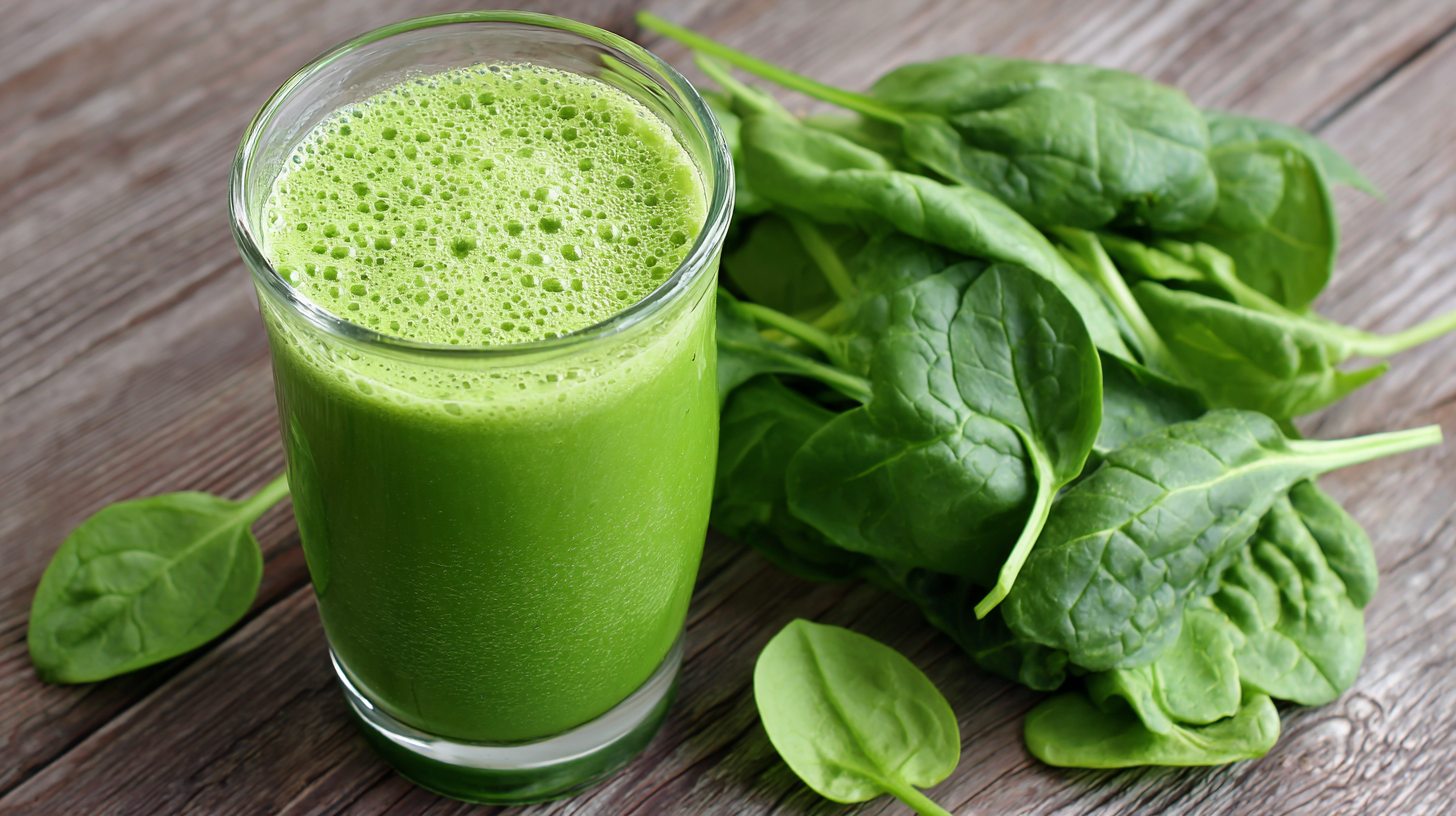
1. Spinach (The Daily Smoothie Trap)
Spinach is commonly listed as a higher-histamine vegetable. If you are drinking a massive handful of it every single morning, you are starting your day by filling your histamine bucket.
What to swap in instead: Kale or baby chard. They have the exact same nutritional profile, but a much lower histamine load.
2. Kombucha (The Fermentation Factor)
Kombucha is fermented, which means it's both gut-supportive AND high in histamine. If you've been drinking it daily for gut health and noticing more skin reactivity or flushing, this is the connection.
What to swap in instead: Try miso stirred into warm broth. It is lower in histamine but provides the same live-culture benefits for your microbiome.
3. Leftover Protein (The Invisible Accumulator)
Stored leftovers—especially clean, well-cooked proteins—accumulate histamine with every hour they sit in the fridge as bacteria convert amino acids into histamine. The organic salmon you made on Sunday is a completely different, high-histamine food by Tuesday.
What to swap in instead: Cook smaller batches or freeze your protein immediately after cooking. Thaw it only when you are ready to eat it.
4. Avocado (The "Ripeness" Rule)
If you Google "histamine diet," you will almost certainly see avocado on the "do not eat" list. But as a doctor, I need you to hear this: do not let the internet scare you away from this incredible hormone-supporting fat.
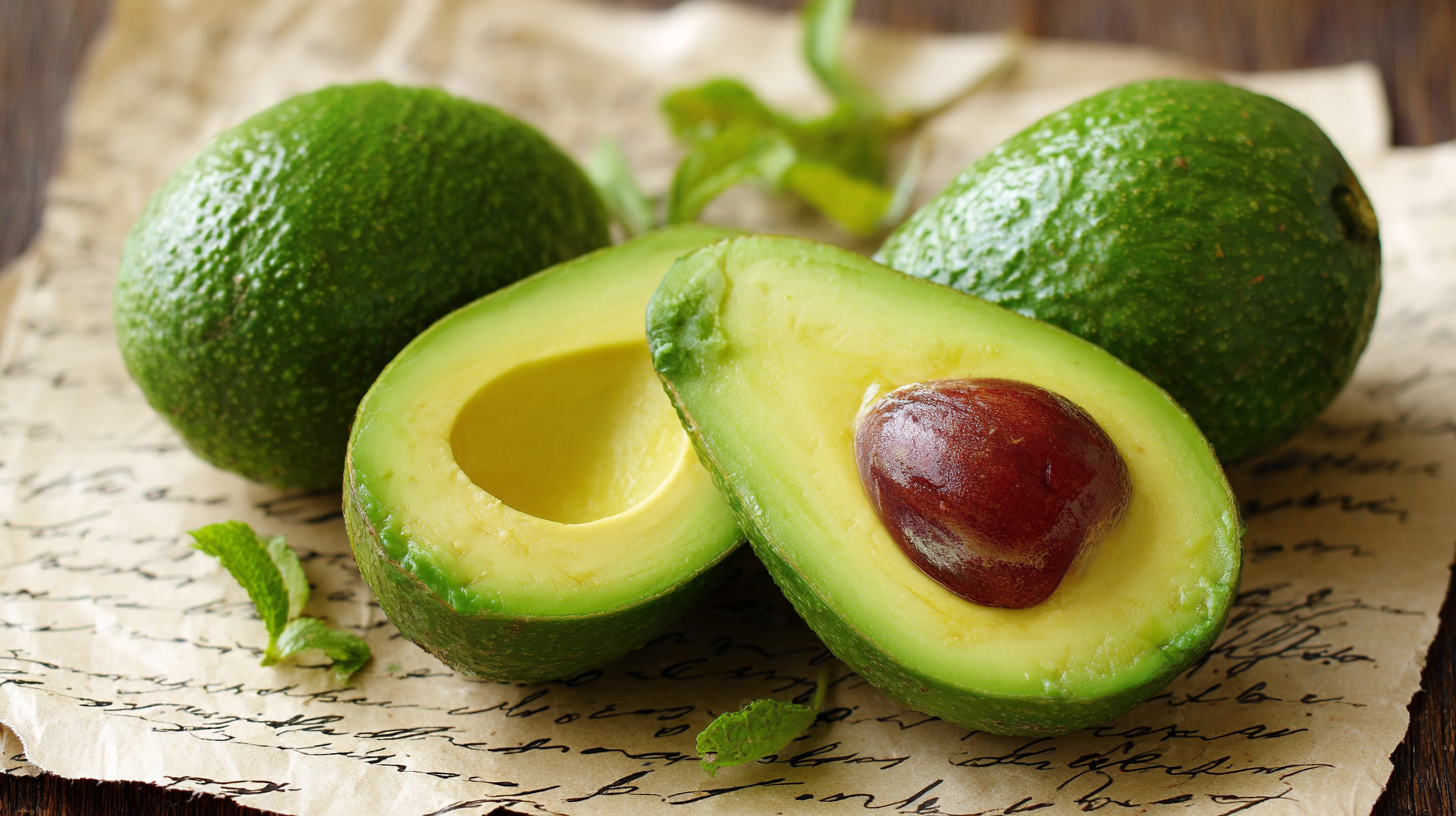
Avocado is incredible for your skin, your brain, and your cellular health. The truth is that fresh avocado is actually very low in histamine. The problem only happens when it gets overripe. As the avocado ages and gets brown spots, its natural amino acids convert into histamine.
How to keep it in your diet: Eat your avocado when it is perfectly fresh and firm. Do not eat the overripe ones with brown stringy spots, and do not let your homemade guacamole sit in the fridge for three days. Eat it fresh, and enjoy the glow it gives your skin.
The Two-Week Food-Symptom Log
You don't need a stressful, highly restrictive elimination diet. If you have a neurodivergent brain, extreme restriction usually just leads to burnout anyway.
Instead, keep a simple log for two weeks. Change just one thing—like freezing your leftovers instead of keeping them in the fridge. Track what you ate and what your body did within two hours. Watch for skin flushing, gut bloating, headaches, or brain fog.
The patterns usually emerge much faster than you expect.
Key Takeaway: Many foods celebrated for being "healthy," like spinach, kombucha, and leftovers, are actually high in histamine. In perimenopause, your body's ability to clear histamine decreases, turning these healthy choices into symptom triggers. Simple swaps can dramatically lower your histamine load.
Want to See What's Driving Your Histamine Response?
The GI-MAP test at my lab shop looks at the exact gut markers that drive histamine overload in perimenopause. It measures leaky gut markers (which impact your ability to clear histamine) and the specific bacteria that affect how your body metabolizes estrogen.
Order direct. No appointment required.
Find Out If Histamine Is Your Gut Saboteur
The Gut Saboteur Quiz helps identify which specific gut pattern may be driving your symptoms—and whether the Histamine Hurricane profile fits exactly what you’ve been experiencing.
Take the Free 2-Minute Gut Saboteur Quiz →
Source: Hrubisko M et al. Histamine Intolerance — The More We Know the Less We Know. Nutrients. 2021. DOI: 10.3390/nu13072228
Affiliate Disclosure: Dr. Stacey Denise is a participant in the Amazon Services LLC Associates Program. I may earn a small commission if you purchase through my links at no extra cost to you. I only recommend products I personally use or would recommend to my patients.
Disclaimer: This article is for educational purposes only and does not constitute medical advice or establish a doctor-patient relationship.
Published: April 2026 | Dr. Stacey Denise | The Neuroaesthetic MD™