Meeting the Shadow — Carl Jung, the Dark Night of the Soul, and Why I Had to Go There
Updated: April 2026
I want to start with something that might surprise you about this story.
I didn't feel shame.
Most writing about shadow work — about confronting the buried, suppressed, disowned parts of yourself — frames it through the lens of shame. The hot, exposed feeling of being seen in something you wanted to keep hidden. The burning recognition of who you really are underneath the performance.
That's not what happened for me. What I felt through most of the difficult parts of my life was something quieter and in some ways more insidious: ambivalence. A kind of flat, forward-moving not-caring. A dissociative detachment allowed me to get through what I needed to without the inconvenience of feeling it fully.
I had to eat. I had to survive. I had to keep moving. And so I did.
There was no dramatic moment of feeling caught in the act of being human. There was just the perpetual motion of a woman who had learned that staying still was the most dangerous thing she could do.
The Nomad Without a Home
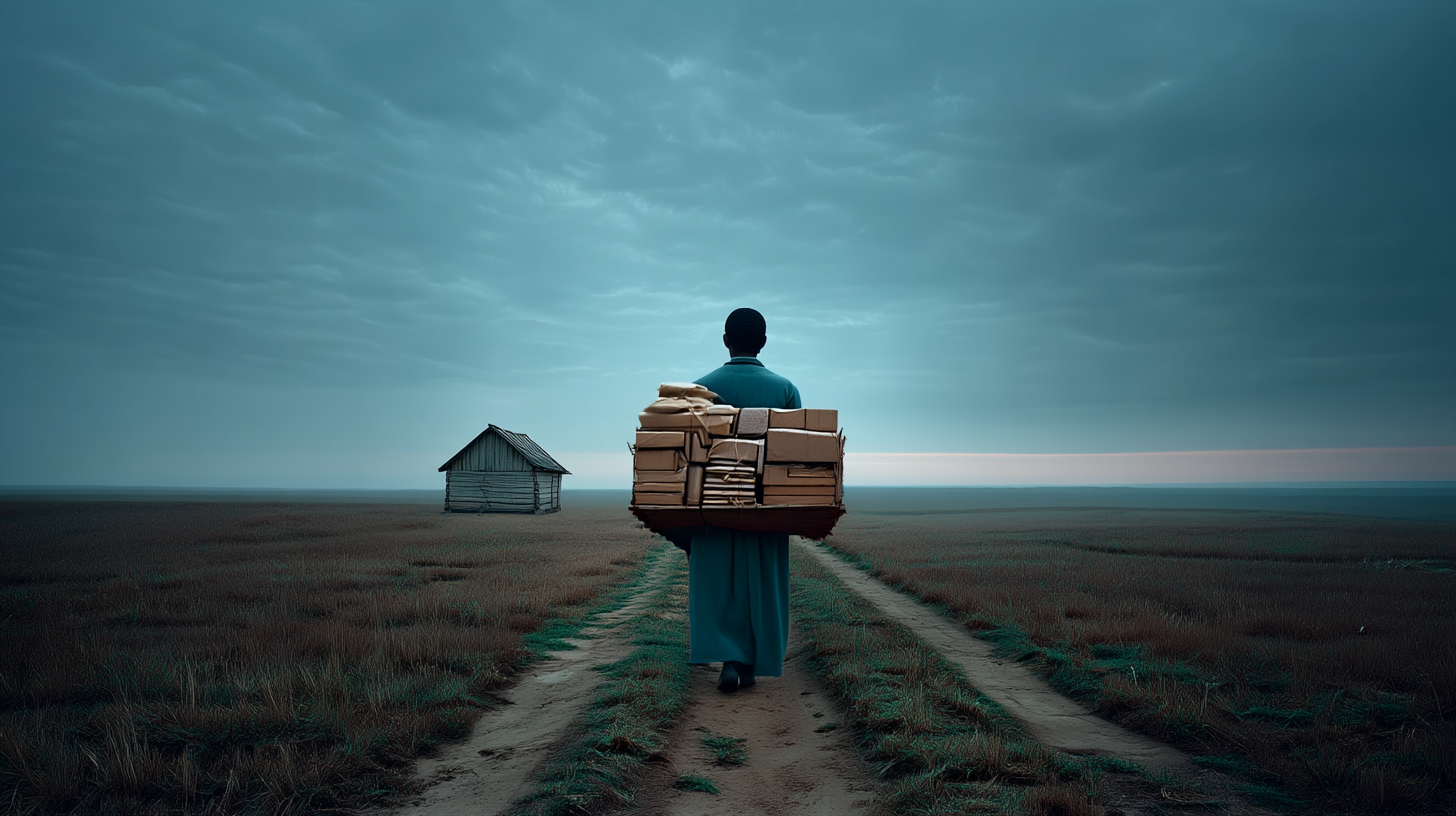
I moved into my current house in 2018. It's 2026, and I want to tell you something that still surprises me when I say it out loud: this is the first time in my life I have felt genuinely safe and comfortable enough not to want to leave. Not to plan the next trip. Not to fill the calendar with somewhere to be. Not to keep moving.
Eight years to arrive here. Eight years of slowly, quietly, without fully realizing it was happening, teaching my nervous system that this place was mine. That the floor wouldn't shift. That I could put something down and it would still be there.
Before that, I lived like the title of that DiCaprio movie: Catch Me If You Can. Perpetual motion. Always somewhere to go, something to accomplish, another reason not to stop. Running felt comfortable not because I enjoyed it but because stopping meant feeling what was underneath. And what was underneath was a territory I had learned to route around before I was old enough to understand that's what I was doing.
This is what dissociation as a survival strategy looks like in a high-functioning woman. It doesn't look like checking out visibly. It looks like productivity. Like achievement. Like a woman who handles everything, goes everywhere, never seems depleted. The movement is the management. The busyness is the avoidance. And the ambivalence — the genuine not-feeling that coexists with enormous internal sensation — is the body's most sophisticated protection against a pain it wasn't given the tools to process.
I want to name this clearly because I think there are a lot of women reading this who don't recognize themselves in the shame narrative. Who think they must be fine because they're not burning with self-reproach, not crying in therapy, not dramatically undone. Who are just — moving. Getting things done. Doing what needs to be done. And quietly, underneath all of it, not home.
That's the shadow too. That's actually its most functional, most socially acceptable, most invisible form.
What the Shadow Actually Is
I didn't go looking for Carl Jung. I was watching a video somewhere and someone was talking about the shadow self — the unconscious parts of us we suppress because they conflict with how we want to be seen, or how we were told we were supposed to be.
And I remember thinking: he's talking about me.
Not from a place of feeling exposed or ashamed. From a place of recognition. Someone had just described the architecture of my interior life with more precision than decades of my own self-examination had managed.
Jung described the shadow as the repository of everything we've been taught is unacceptable about ourselves — the emotions that weren't permitted, the aspects of our personality that were rejected, the parts we learned to hide before we were old enough to evaluate whether hiding them was actually necessary.
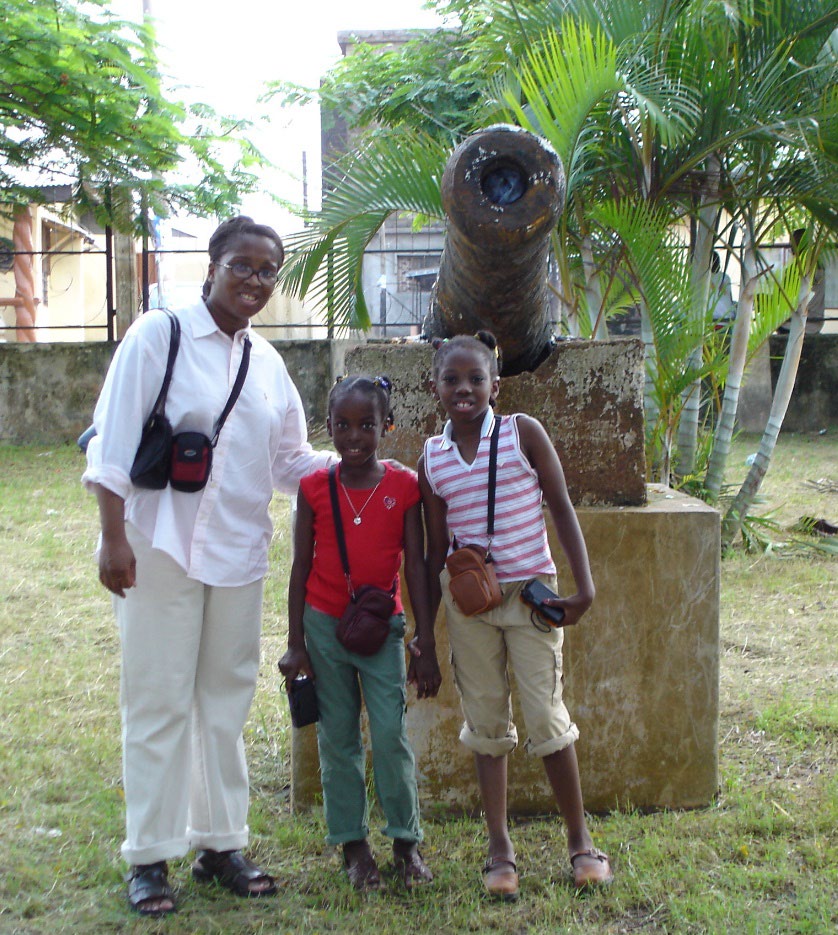
The shadow isn't the worst of us. It's the disowned parts. Including some that are genuine strengths — suppressed not because they were dangerous but because someone with power over us found them inconvenient.
My shadow held my anger. In a home organized around violence, expressed anger escalated threat rather than resolving it. So the anger went underground. Not as burning shame but as ambivalence — a flat, managed not-engaging that looked like calm and functioned like a pressure valve with nowhere to release.
My shadow held my grief. The mourning for the childhood I deserved and didn't have. That grief had nowhere to go, so it went quiet. And quiet grief is not peaceful. It's heavy in a way that doesn't announce itself — it lives in the jaw, in the chest, in the particular kind of exhaustion that arrives without explanation and doesn't leave with sleep.
And my shadow held the parts of me I was told were too much. Research published in Scientific Reports found that women with late-diagnosed neurodivergent conditions commonly described internalizing criticism — guilt, shame, and negative self-perception as direct consequences of being told, repeatedly, that the way they were was wrong. (DOI: 10.1038/s41598-025-04782-y) For me, that internalization didn't arrive as hot shame. It arrived as the cool management of a self who had learned that her authentic reactions were inconvenient — and who had gotten very, very good at routing around them.
The ambivalence was the adaptation. And like all adaptations, it cost something.
Three Pieces That Made Me Stop Moving
Am I Looking in the Mirror? was inspired by my visit to Philadelphia's Magic Gardens — that extraordinary installation of fragmented mirrors, mosaics, and shattered reflections covering every surface. What I found there was a visual language for something I had been carrying without words: the self that exists in pieces, each fragment holding part of the truth, none of them quite forming a whole coherent image.
In this piece, I merged fragmented faces, shattered reflections, and vibrant hues to reveal the hidden aspects of ourselves — the parts we suppress or hide from view. The cool, distorted reflections capture the harsh self-judgment we carry. The warmer hues hold hope and the possibility of self-acceptance. Making this piece was the beginning of confronting those shadowed parts of my identity and sitting with the question: when I look within, do I recognize all parts of myself — or only the pieces I've chosen to show?
The discomfort wasn't the heat of shame. It was the strangeness of stopping. The unfamiliarity of staying with something I had spent my whole life keeping in peripheral vision.
Piercing My Soul captures the intense gaze of an orangutan — a moment of profound connection that stopped me when I first encountered it. The vivid hues of orange-red and green evoke a deep sense of empathy and remind us of the quiet shared bond between species. But for me this gaze was something more personal: the piercing questions that emerge when we finally confront our inner truths.
In my healing journey I realized how often I had hidden behind my own emotional walls, much like the orangutan's unspoken wisdom. As a child I learned to stay silent and smile — shutting down the storm brewing inside. Piercing My Soul reflects the moment I finally looked in the mirror and faced that inner storm. Recognizing the chaos. The unspoken emotions. The desire for healing that had been there all along, waiting for me to stop moving long enough to feel it.
The orangutan's eyes don't demand anything. They simply see. And being truly seen — even by yourself — requires the same quality of gaze.
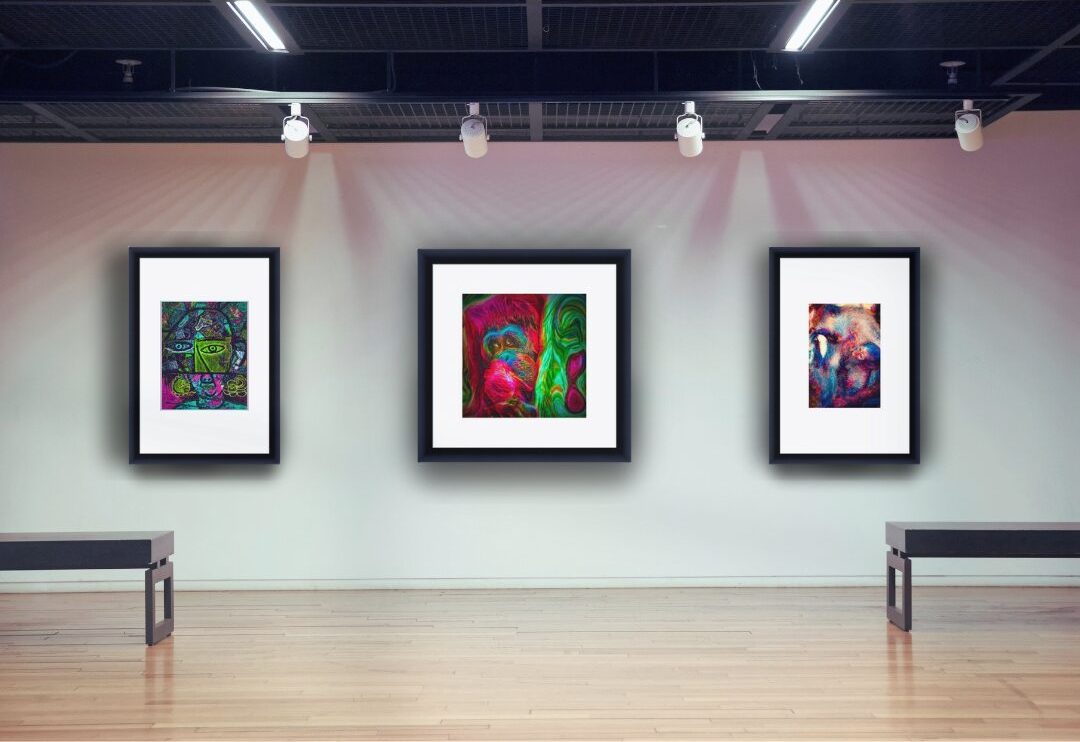
The What Ifs captures a tender moment between a mother monkey and her offspring. The rich, earthy tones evoke warmth and nurturing. And the title speaks to the quiet concern that lives underneath every parent who has done their best without having had a map.
What does the future hold for our children? What happens if we can't protect them from the storms ahead?
When I made this piece I was sitting with the weight of a specific recognition: I had been passing down an unhealed nervous system without knowing it. The emotional inheritance. The unprocessed patterns. The patterns I thought I was managing quietly enough that no one could see them — and my daughters had been watching the whole time.
This work became a turning point. Not because it resolved anything immediately but because it made the cost of not healing impossible to look away from. The What Ifs aren't only backward-facing. They ask: what if I heal this? What if the cycle stops here? What if what I pass forward is something different from what was passed to me?
Why You Have to Go Through It — Not Around It
Jung called this the dark night of the soul — the necessary descent into what has been hidden before the integration that makes genuine wholeness possible.
For a woman whose survival strategy was perpetual motion, the dark night wasn't dramatically dark. It was quietly unfamiliar. It was the experience of slowing down enough to feel what had been moving with me all along, just below the pace I kept to avoid it.
What I found when I finally stopped moving wasn't the monster I had been unconsciously outrunning. It was the parts of myself I had been too busy to greet. The anger that was also energy. The grief that was also evidence of how deeply I felt. The child who had been told she was too much and who had been waiting, with extraordinary patience, for someone to finally have time for her.
Research on complex PTSD confirms that identity disturbance is among its core features — the fragmented, unstable sense of self that sustained early trauma produces, organized around survival rather than authenticity. (DOI: 10.1002/wps.21269) You can't think your way out of what you felt your way into. The shadow isn't stored where logic lives. It's stored in the body. In the patterns that run beneath conscious choice. In the perpetual motion of a nervous system that never got the memo that the original threat was over.
Art reached it because art is slower than running. Because making a piece requires you to stay with something long enough for it to take form. And form, for someone with alexithymia, is the closest thing to language that the interior has.
On 85% and the Home You Finally Found
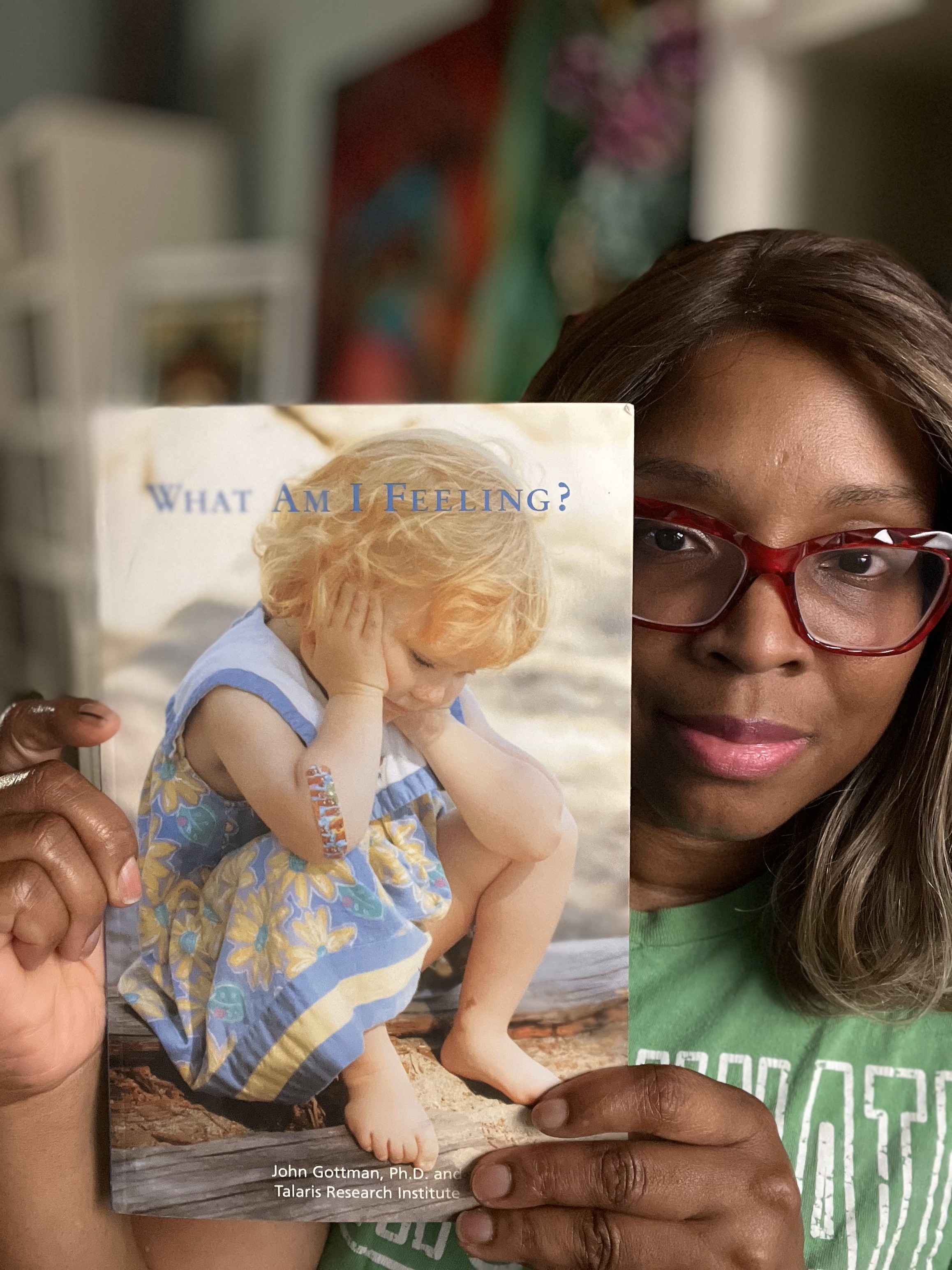
When I first wrote this post, I had found about 85% closure. I name that number rather than a destination because I think it matters.
Healing doesn't arrive complete. It arrives as capacity. The growing ability to hold what used to be too much to hold. To stay present with what used to require dissociation. To stay in a place — literally, physically — without the nervous system's ancient directive to keep moving.
I've lived in this house since 2018. In 2026, for the first time, I don't want to leave.
That's not a small thing. That's eight years of a nervous system slowly learning that the floor is stable, that the air here is mine, that I can stop and it will be okay. That what I find when I stay is not what I was running from. It's what I was running toward all along.
The shadow work didn't end when I made these pieces. But making them gave me something to hold while the rest of the integration continues. A visual record of a woman who stopped moving long enough to find out what was there.
And found out it was survivable. More than that — it was hers.
The first chapter of this arc — the masks we wore: The Masks We Wore — Survival, Addiction, and the Stories We Carried Into Adulthood →
The ritual medicine chapter: Reclaiming the Inner Child — When Art Becomes the Ritual That Brings You Home →
The full origin story: Art Is Medicine — And I Know This Because It Saved Me →
Join the Auntie Menopause Circle → facebook.com/groups/theauntiemenopausecircle
If this resonated with you, you are not alone in this journey. The Auntie Menopause Circle is where women who are done being dismissed come to learn, heal, and find each other.
Sources
Holden E, Kobayashi-Wood H. Adverse experiences of women with undiagnosed ADHD and the invaluable role of diagnosis. Scientific Reports. 2025. DOI: 10.1038/s41598-025-04782-y
Brewin CR, et al. Post-traumatic stress disorder: evolving conceptualization and evidence. World Psychiatry. 2025. DOI: 10.1002/wps.21269
Simpson J, et al. Self-disgust mediates the relationship between childhood adversities and psychosis. British Journal of Clinical Psychology. 2020. DOI: 10.1111/bjc.12245
NOTE: This post originated as an exploration of Carl Jung's shadow self and the Inner Child Series on Ceyise Studios. It has been fully rewritten here on drstaceydenise.com — with the correct artwork descriptions from the Fragments to Fusion exhibition booklet, the critical correction that the emotional landscape of this journey was not shame but dissociative ambivalence and perpetual motion as survival, and the 2018 house and 2026 arrival at genuine safety named for the first time in print. The poem that accompanied the exhibition will be honored separately on its own terms.
Originally published on Ceyise Studios. Updated: April 2026.