Why Emotional Numbness in Menopause Isn’t Just Hormonal

September 03, 20254 min read

You don’t have to be depressed to feel emotionally numb.

Maybe your sleep is restless. Maybe you walk into a room and can’t remember why. Maybe your laugh feels hollow, your tears are delayed, or you struggle to name what you’re feeling at all.

That’s not a personal flaw. It’s not “just hormones.” And no—it’s not in your head.

What you may be experiencing is emotional numbness, a form of emotional and sensory disconnection often linked to alexithymia—the difficulty identifying and expressing emotions. For many neurodivergent women going through menopause, it can feel like quietly slipping off an invisible cliff.

Emotional Numbness in Menopause: More Than Hormones

Menopause isn't just about hot flashes and mood swings. It's also about how your brain and body communicate.

During menopause, your body's internal sensing system can get disrupted. This system, called interoception, normally tells you when you're hungry, stressed, or sad. But hormonal changes, poor sleep, and daily stress can make these signals fuzzy.

The result? Emotions might feel muted, delayed, or completely absent. It's like someone dimmed the lights inside your body.

How Menopause Affects the Body’s Emotional Signals

Interoception works like your body's dashboard emotion (Craig, 2003). It lets you know when you're hungry, full, in pain, or sad.

In menopause, that dashboard gets fuzzy. Here's what's happening behind the scenes:

The Hormone Connection Several key hormones affect how well your body's dashboard works (Goerlich & Votinov, 2023):

  • Estrogen helps your brain process body signals clearly. When estrogen drops, those signals get weaker.
  • Cortisol (your stress hormone) can get stuck in "high alert" mode, drowning out other feelings.
  • Thyroid hormones help regulate your mood and energy. Even small changes can make emotions feel flat or delayed.

What This Feels Like Signals from your body may not reach your awareness as clearly. You might be unsure if what you're feeling is stress, grief, or just exhaustion (Critchley & Garfinkel, 2017).

Your brain is still getting messages from your body, but they're like a radio station with poor reception—you know something's there, but you can't quite make it out.

For some women, the experience isn't sadness. It's a sense of not being here at all.

When Neurodivergence and Trauma Add Layers

If you’re neurodivergent—or if you carry unresolved trauma—emotional numbness can be even more intense.

  • Neurodivergence: Autism and ADHD are often linked with alexithymia and interoceptive differences (Murphy et al., 2018).
  • Trauma: The body learns to mute signals as a survival skill, but in midlife that muting may feel like emptiness.

Together with menopause, these factors can create a triple-layer of disconnection.

Real Symptoms Women Notice

  • “I used to cry so easily. Now I can’t.”
  • “I know I feel things, but I can’t find the words.”
  • “I’m here, but I’m not here.”

These aren’t signs of failure. They’re feedback from a system that has gone quiet to protect you.

Small Rituals to Begin Reconnection

You can’t force emotions back online, but you can invite them gently:

1. Body Check-In
Pause once a day to notice: Where do I feel tight? Where do I feel warm or heavy? Sensation comes before emotion.

2. Color-as-Feeling
Choose one color that matches your body today. Let it guide your clothes, journal, or mug. Color becomes a bridge when words are missing.

3. Safe-Space Cue
Create one corner of your home with dim light, soft texture, or calming scent. Safety is the soil where emotions resurface.

4. Wordless Expression
If words won’t come, draw a line, circle, or symbol. Expression doesn’t have to start with language.

Gentle Next Step

If you’ve felt numb or disconnected, you’re not broken. Your body hasn’t given up—it’s simply protecting you. Now it’s time to help it relearn safety.

👉 Take the Quiz: What’s Blocking Your Menopause Energy & Intimacy?

Because healing doesn’t start with a diagnosis. It starts when your body whispers: “I’m ready to feel again.”

References

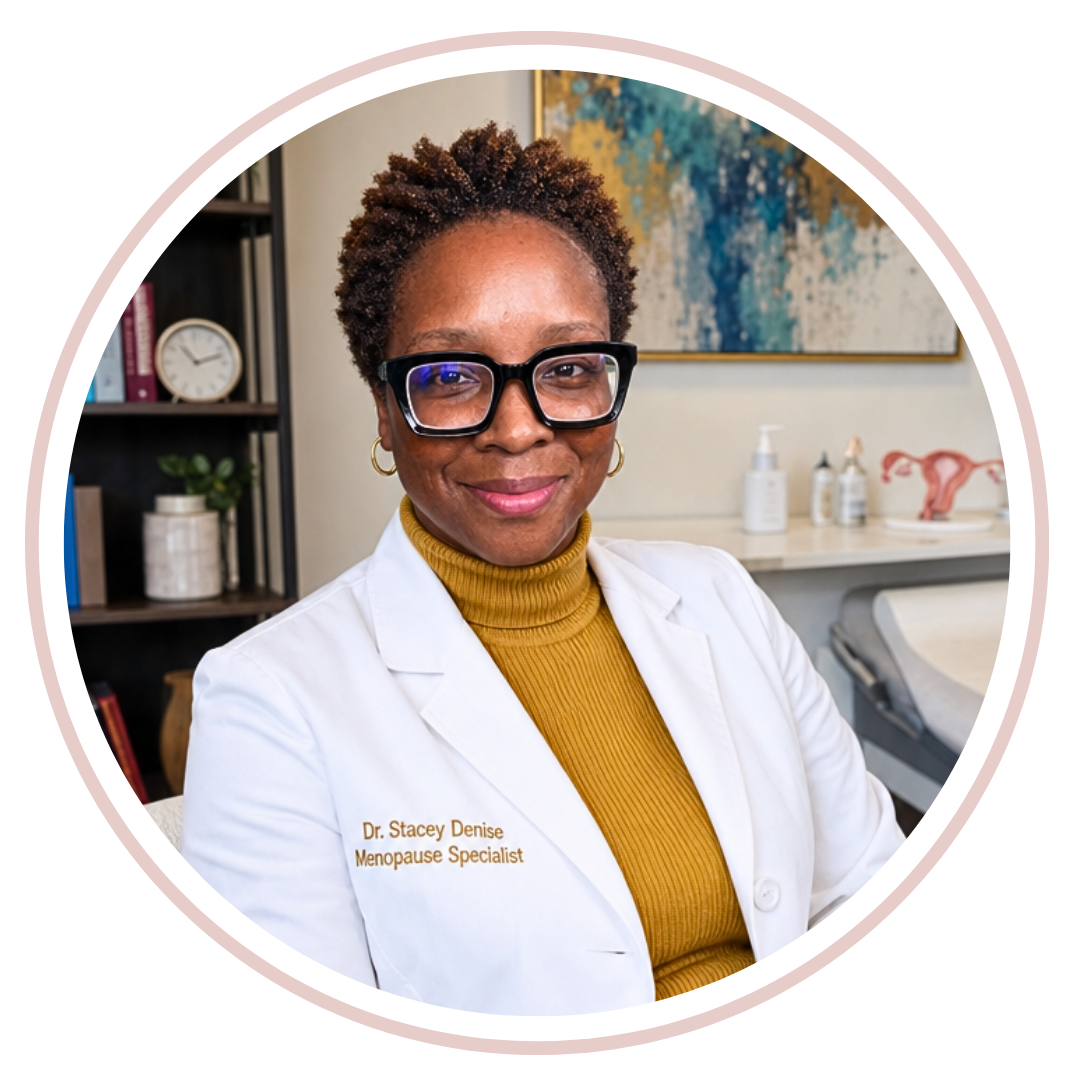
Dr. Stacey Denise Moore is a board-certified surgeon, lifestyle medicine physician, and the founder of Ceyise Studios®. Known as The Neuroaesthetic MD™, she specializes in helping women in midlife optimize their metabolic health, sleep, and environments. By blending clinical neuroscience with sensory design, she teaches patients and organizations how to create spaces and habits that support nervous system regulation and hormonal balance.

Dr. Stacey Denise

Dr. Stacey Denise Moore is a board-certified surgeon, lifestyle medicine physician, and the founder of Ceyise Studios®. Known as The Neuroaesthetic MD™, she specializes in helping women in midlife optimize their metabolic health, sleep, and environments. By blending clinical neuroscience with sensory design, she teaches patients and organizations how to create spaces and habits that support nervous system regulation and hormonal balance.

LinkedIn logo icon
Instagram logo icon
Youtube logo icon
Back to Blog