Color Reset™ Recipes: Aligning Food and Emotion for Neurodivergent Wellness
What can you eat to help your nervous system come back online at night? How do you cook when you're emotionally flat or completely overstimulated? Is there a way to make food feel healing again — instead of just another thing you have to manage?
These are real questions. And they don't get asked in most nutrition conversations because most nutrition conversations are not designed for you.
The standard approach to food — track your macros, hit your protein, prep on Sunday — was built for a nervous system that isn't running a constant threat response. It wasn't built for a woman in perimenopause who has been masking for decades, whose hormones are shifting faster than any app can track, and whose body is asking for something that looks less like discipline and more like re-entry.
That's what the Color Reset™ approach is built on. Not restriction. Not optimization. The idea that food is a nervous system signal — and that signal starts before you take the first bite.
Color Isn't Just Visual — It's Physiological
Here's what the research says: color can modulate autonomic nervous system activity.
Based on articles retrieved from PubMed, a 2022 study published in Psychophysiology found that exposure to chromatic color — specifically blue tones in a built environment — produced measurable changes in skin conductance, respiration range, and brain activity patterns linked to emotional processing, compared to achromatic (white or black) conditions. DOI: 10.1111/psyp.14121
Listen — that study was looking at walls. Environmental color. And it still moved the autonomic nervous system.
Now think about what's on your plate three times a day.
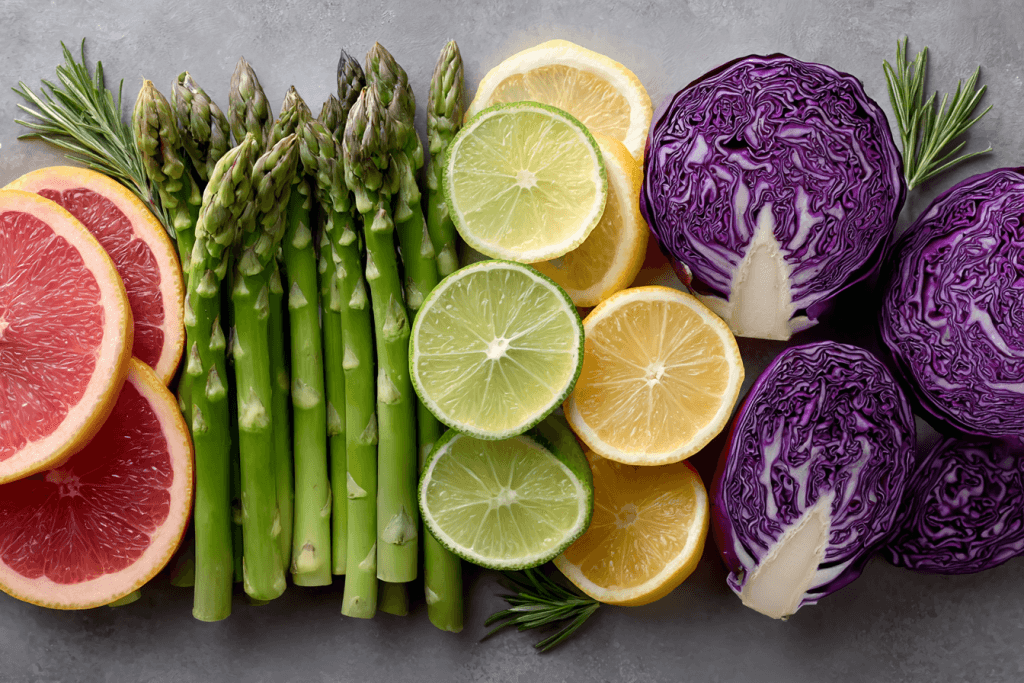
The colors of your food are not neutral. They carry visual information your nervous system processes before you've swallowed a single bite. For a neurodivergent woman whose sensory system is already filtering more input than most people realize — the palette of your plate matters in ways that go beyond aesthetics.
This is what Color Reset™ is built on. Your Color Archetype isn't a personality type. It's a nervous system pattern. And the way you feed it matters.
The Gut-Brain Connection Underneath All of It
Before we talk about what's on your plate, you need to understand what happens in your gut first. Because your nervous system and your nutritional biology are not separate systems. They're in constant conversation.
Approximately 95% of your serotonin is produced in your gut — not your brain. Gut bacteria convert tryptophan, an amino acid found in food, into serotonin precursors that regulate mood, emotional resilience, and your body's ability to move out of threat mode.
Based on articles retrieved from PubMed, a 2022 study in Nutrients confirmed that tryptophan metabolites produced by intestinal bacteria — specifically indole derivatives — directly influence the serotonin pathway in both the gut and brain, and that disruptions to this pathway are associated with mood dysregulation and HPA axis dysfunction. DOI: 10.3390/nu14235019
In perimenopause, estrogen fluctuation disrupts gut microbiome diversity. Which disrupts the bacterial populations that convert tryptophan. Which disrupts serotonin production. Which is why the emotional flatness, the anxiety that appears from nowhere, the feeling of not being able to cope — often starts in the gut before it shows up in the mind.
This is why the Color Reset™ approach and the nutritional biology pathway are connected in this practice. Your nervous system pattern shapes how your body responds to food. Your gut determines whether the building blocks your nervous system needs are actually available. You can't address one without understanding the other.
What Color Reset™ Recipes Are Actually Doing
Each meal in the Color Reset™ system is designed with functional ingredients that work through specific biological pathways:
Tryptophan paired with complex carbohydrates — tryptophan eaten alone doesn't cross the blood-brain barrier efficiently. The carbohydrate creates the transport mechanism. This is not optional. It's why eggs or turkey with sweet potato or oats is the combination, not just one or the other.
Magnesium — the cofactor serotonin synthesis requires. Most perimenopausal women are deficient. Pumpkin seeds, leafy greens, and dark legumes are the food-first sources. When food isn't enough, magnesium glycinate is the formulation that doesn't cause digestive distress — available in my Fullscript dispensary.
Healthy fats — for dopamine synthesis and sensory insulation. The nervous system runs on fat. Avocado, olive oil, wild salmon, and walnuts are not optional extras — they're the infrastructure.
Bitter and sour notes — these stimulate vagal tone through taste receptor activation. Lemon, arugula, radicchio, and apple cider vinegar in small amounts before a meal activate the parasympathetic branch. That's your rest-and-digest signal.
Texture as a nervous system cue — crunch activates the jaw and triggers proprioceptive input that grounds an overstimulated system. Warm broth activates warmth receptors and signals safety. These are not accidents. They're design choices.
A Peek Into the Color Reset™ Kitchen
Each archetype has an emotional dialect. These are not rigid prescriptions — they're starting points for listening.
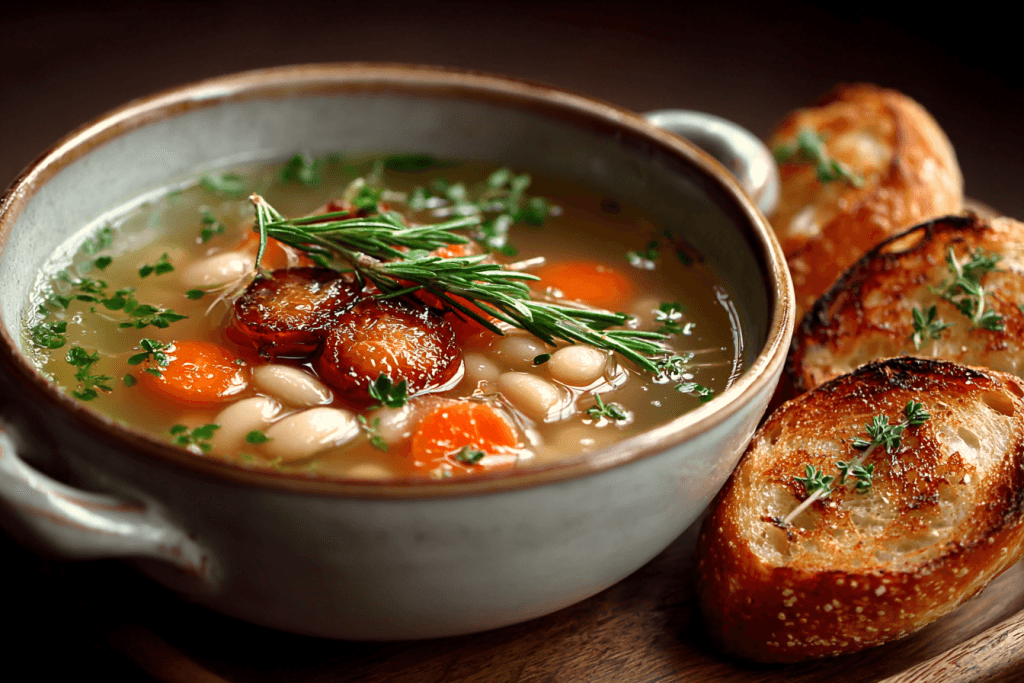
The Empath / Silent Suppressor Soft, gentle meals that feel like an exhale. Honey-roasted carrots with thyme. White bean soup with a squeeze of lemon. Lavender oat porridge with a drizzle of raw honey. These meals work with texture-based regulation and emotional restoration — nothing sharp, nothing demanding, nothing that requires your nervous system to brace.
The Grounded Visionary / Harmonizer Water-rich, vibrant meals with grounding notes. Cucumber and mint lentil salad. Roasted sweet potato and green pea risotto. These meals revive connection without overloading — color that signals aliveness without overwhelm, textures that bring you into your body.
The Disembodied Director / Mystic Dark, ritual meals with symbolic weight. Forbidden rice with miso broth. Roasted beet and walnut salad. Slow-cooked lentils with cumin and cacao. These meals work for deep feelers who have disconnected from their bodies — the depth of color and flavor is a signal to return.
You don't need to plate for perfection. You need to plate for re-entry.
One Meal to Try This Week
Don't change your whole diet. That's not the point and it's not safe for a nervous system that finds change threatening.
Pick one meal this week and add these three elements:
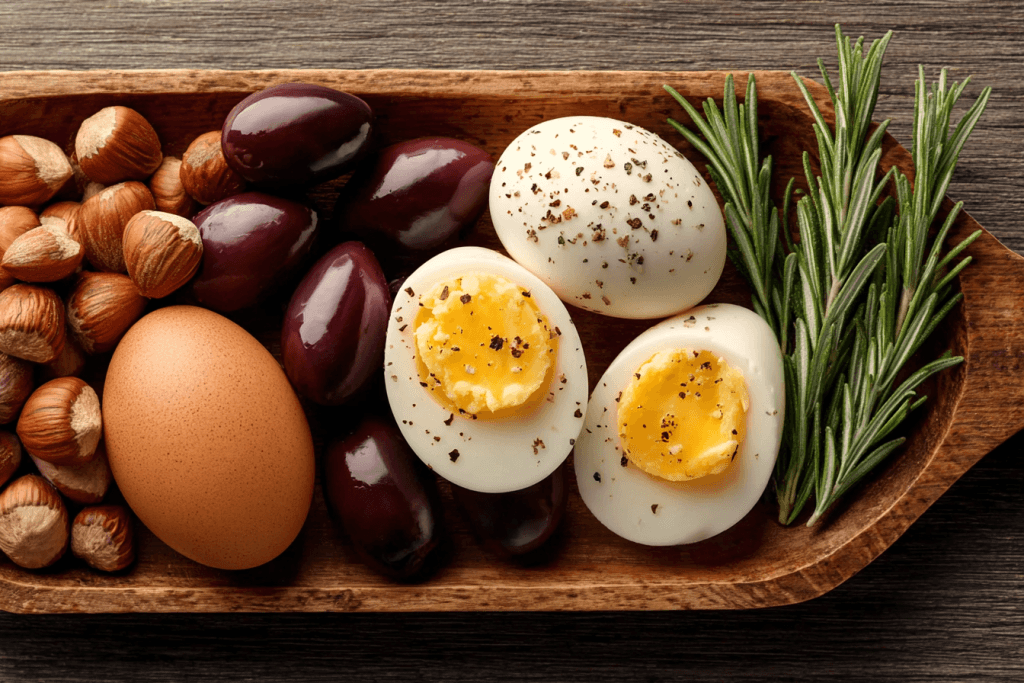
A tryptophan source — eggs, turkey, pumpkin seeds, or lentils
A complex carbohydrate alongside it — sweet potato, oats, or brown rice
A magnesium-rich element — a small handful of pumpkin seeds, a scoop of leafy greens, or a square of 85% dark chocolate after
That's it. Do it consistently for two weeks and pay attention to your evening anxiety and emotional regulation patterns specifically — because that's where serotonin depletion shows up first.
Want to Know Your Archetype?
The Color Archetype Quiz identifies your specific nervous system pattern — and from there you get a food and sensory framework built for how your body actually works.
If you've been wondering whether your gut is part of what's driving your perimenopause symptoms — emotional flatness, reactivity, sleep disruption, brain fog — the Gut Saboteur Quiz maps that separately. Because your nervous system pattern and your nutritional biology are both part of the picture.
Click the below to take the quiz.👇🏽

Sources
Bower IS et al. Built environment color modulates autonomic and EEG indices of emotional response. Psychophysiology. 2022. DOI: 10.1111/psyp.14121
Chen Y et al. Indole Acetic Acid Exerts Anti-Depressive Effects on an Animal Model of Chronic Mild Stress. Nutrients. 2022. DOI: 10.3390/nu14235019
This content is educational and does not constitute medical advice. Dr. Stacey Denise is a board-certified surgeon licensed in California, Georgia, Kentucky, Maryland, Ohio, Texas, and Virginia. For clinical care, visit drstaceydenise.com.