The Masks We Wore — Survival, Addiction, and the Stories We Carried Into Adulthood
Updated: April 2026
Stories captivated me as a child. I found solace in the vivid imagery of music, TV, and film — and for a long time, I believed the fairytales and narratives I encountered were real. Not as fiction to learn from. As blueprints for how life was supposed to work. What love was supposed to look like. What a woman was supposed to be. What a mother was supposed to do and sacrifice and endure.
Nobody helped me see those stories as stories.
So I carried them into adulthood as instructions. And I built a life on top of instructions that were never written for me.
By 22 I was a mother to two daughters, determined to provide a materially better life than the one I had known. And I did that. But emotionally, I was unequipped in ways I couldn't have named at the time — because naming requires a capacity for emotional awareness that my nervous system had learned to route around in order to survive what my childhood asked it to survive.
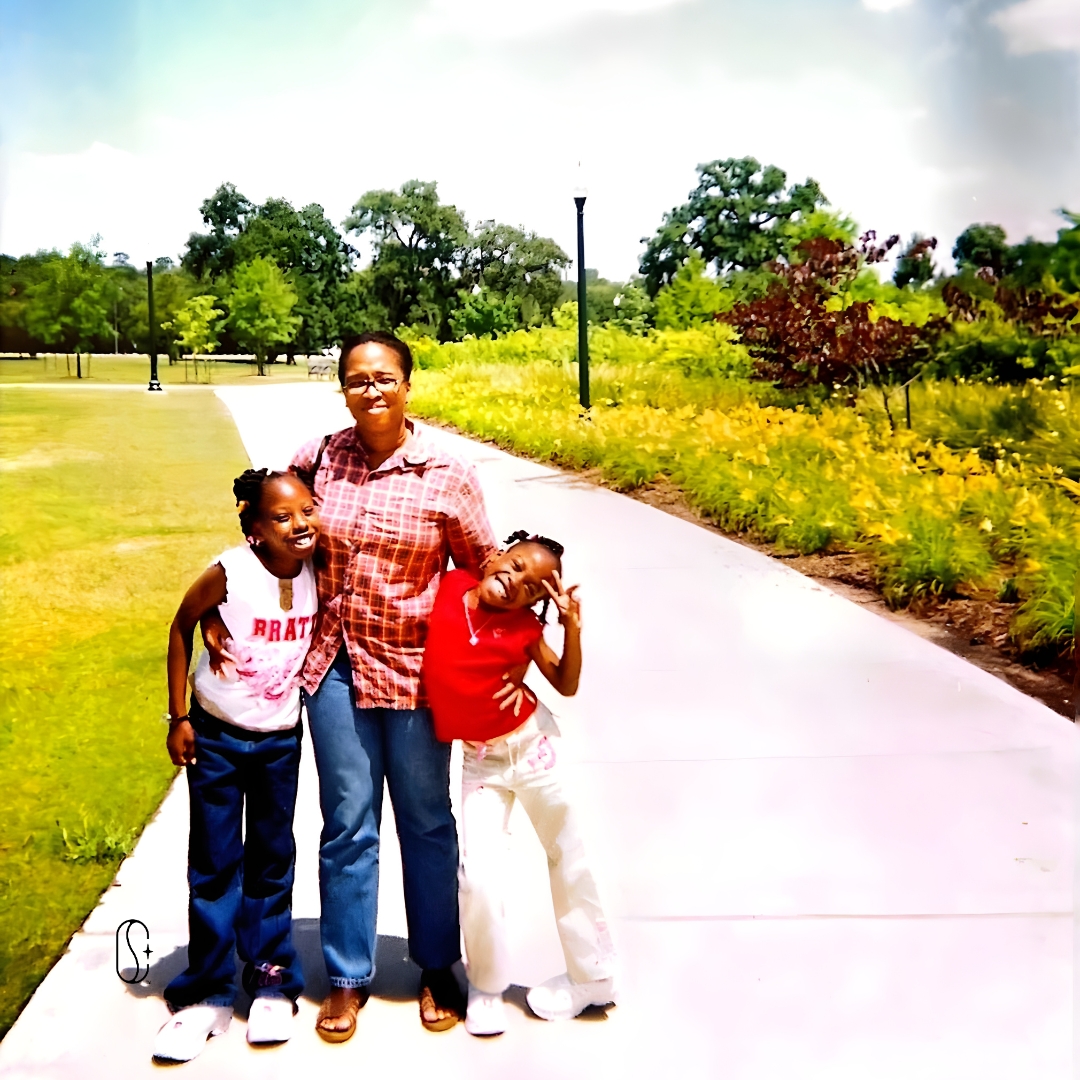
I focused on making it. On succeeding. On providing. On performing competence in every room I walked into. And I missed, for years and years and years, the emotional layer underneath all of it that was quietly shaping everything anyway.
This is the story of the masks. Of what they cost. And of what happened when I finally started taking them off.
Survival Mode Isn't a Choice — It's a Nervous System State
Here's what I need you to understand before we talk about perfectionism, or control, or shopping, or any of the other things I used to manage what I couldn't feel.
Survival mode isn't a mindset you can decide your way out of. It's a biological state. When a child grows up in an environment of threat — whether that threat is physical violence, emotional unpredictability, chronic neglect, or the particular kind of terror of never knowing which version of a parent is going to walk through the door — the nervous system reorganizes itself around one priority: stay safe.
Not connected. Not curious. Not creative. Safe.
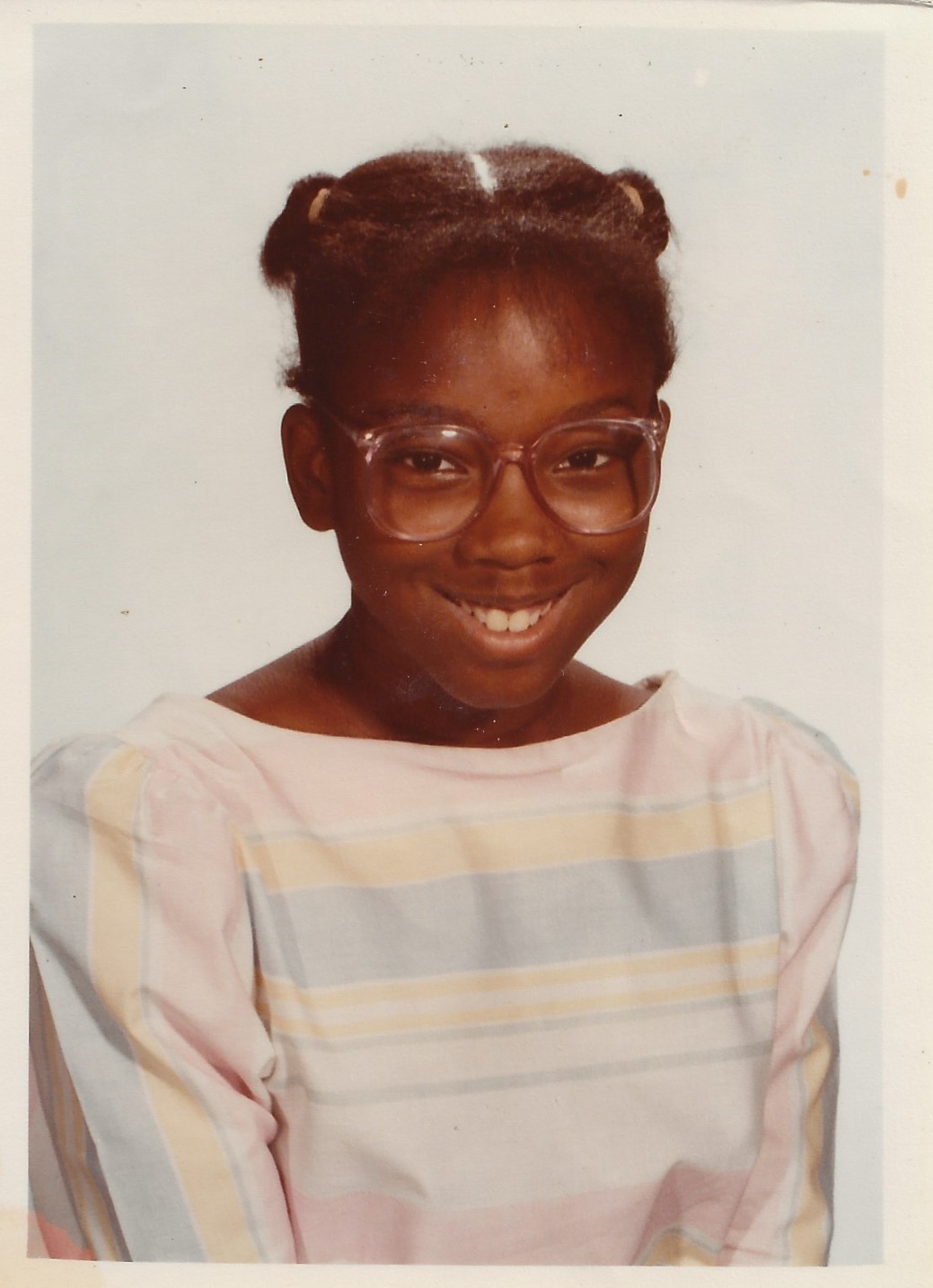
And the coping mechanisms that emerge from that reorganization aren't weaknesses. They're adaptations. Research published in the Journal of Traumatic Stress found that adults with high adverse childhood experiences had significantly higher rates of PTSD symptoms and compulsive behaviors — not because they lacked willpower or moral character, but because ACEs directly shape how the nervous system learns to manage emotional threat. (DOI: 10.1002/jts.23079) The perfectionism, the compulsive control, the reaching for things that provide temporary relief from internal states that have no name — these are survival adaptations wearing the clothes of character flaws.
For me, the adaptations showed up as perfectionism — the belief that if I could be excellent enough, controlled enough, accomplished enough, nobody could find the cracks. As shopping — the temporary regulatory hit of acquisition, the brief moment of feeling like I had agency over something. As an extreme need for control in every external environment, because the internal one was a territory I didn't know how to navigate.
These weren't addictions in the way the word is typically used. But they functioned the same way. They were the mask I wore to maintain the appearance of holding it together while underneath, a nervous system trained by decades of threat was doing what it had always done: managing, suppressing, performing, surviving.
The Trap Underneath the Success
Maslow's hierarchy of needs has a bottom level — physiological safety, security, the most basic conditions required for a human being to exist without being in immediate threat. Trauma survivors often live there long after the original threat has passed. The brain, reorganized around protection, continues to read the world as dangerous. Continues to scan. Continues to route every resource toward safety because that's the state it learned in.
The trap is that you can build an entire life that looks, from the outside, like success — and still be living at the base of that pyramid. Still be allocating your emotional and nervous system resources primarily to threat management rather than to connection, creativity, growth, self-actualization.
I was doing that. I was materially providing while emotionally unavailable. I was professionally accomplished while personally fragmented. I had learned to be excellent at everything that could be measured and to route around everything that couldn't.
And my daughters were watching. Were absorbing. Were learning from the only model available to them what it looked like to be a woman in this world — and the model I was offering, without knowing it, was: suppress what you feel, perform what's required, achieve your way through the pain, and never let them see you crack.
That's the moment the mask became the thing I had to confront. Not when someone else pointed it out. When I understood what was being transmitted.
The Inner Child Series — Three Pieces That Told the Truth
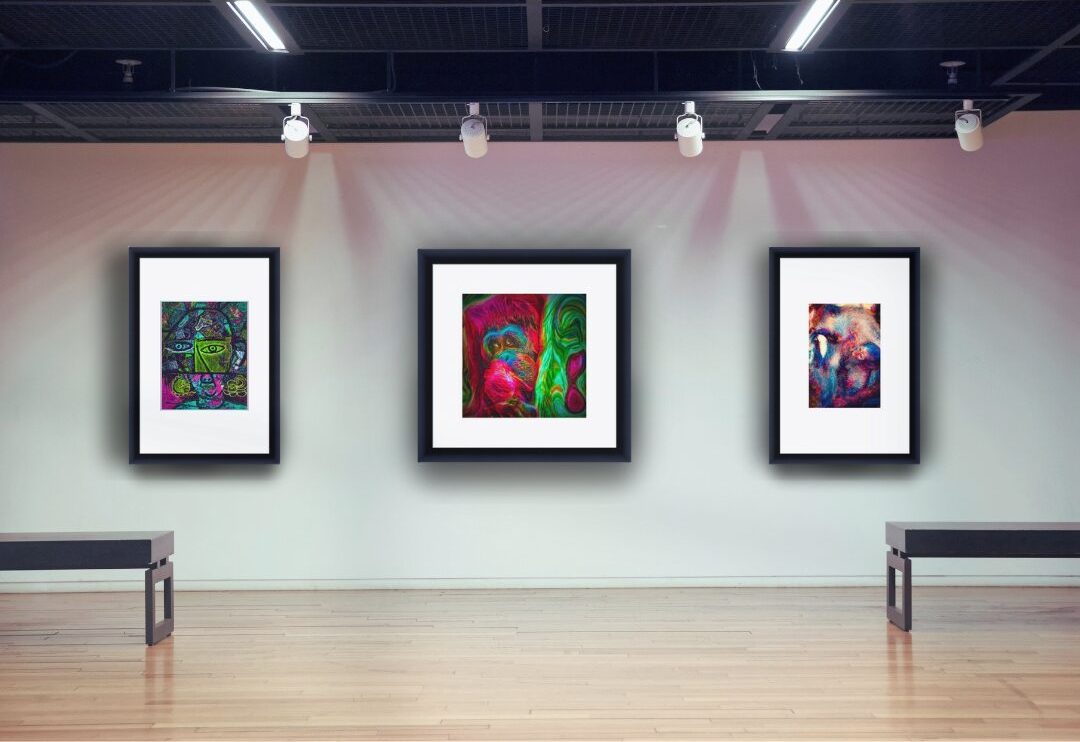
Art doesn't lie the way words can. When I made the pieces in this part of the Inner Child Series, I wasn't making conscious choices about meaning. I was making choices about color, form, and narrative image — and the meaning arrived through the making, not before it.
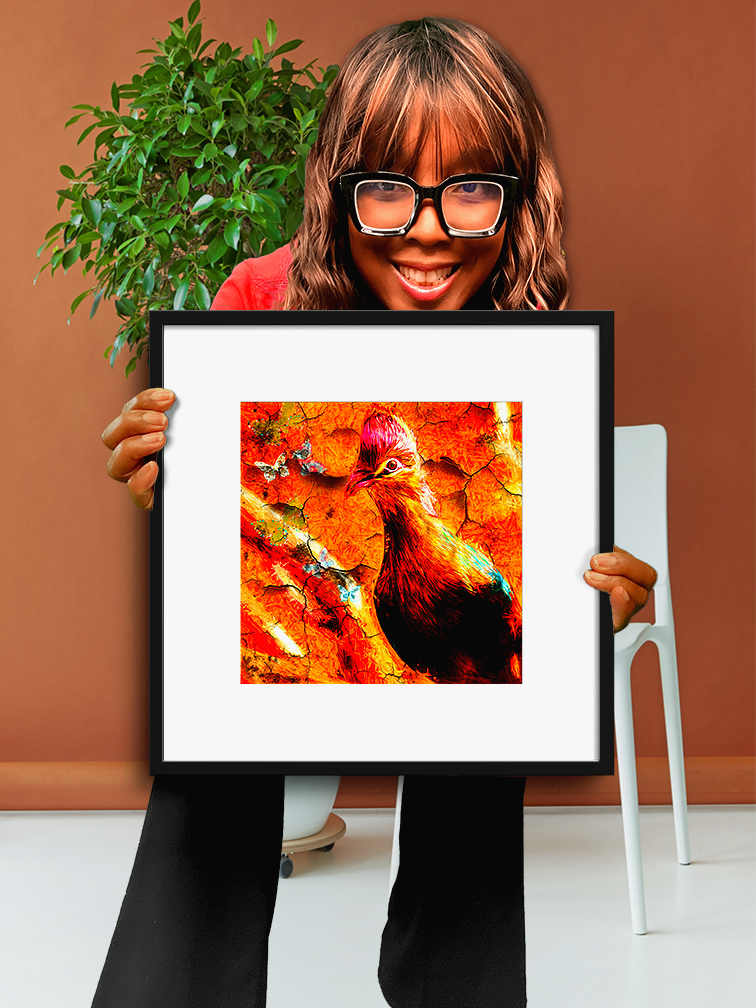
Fiery Orange Chicken started with a memory. A childhood dish. The comfort of familiar food in an environment where most things weren't safe. Bold oranges and blues — the energy of something reaching for warmth, for the ordinary domestic safety of a meal, for the solace of familiar things even when they don't address what's actually wrong. That's what we cling to in survival mode. Not the deep nourishment. The temporary comfort. The thing that takes the edge off long enough to keep going.
When I look at that piece now, I see a nervous system reaching for regulation through the only channels available to it — external, sensory, immediately accessible. That's not weakness. That's intelligence under constraint.
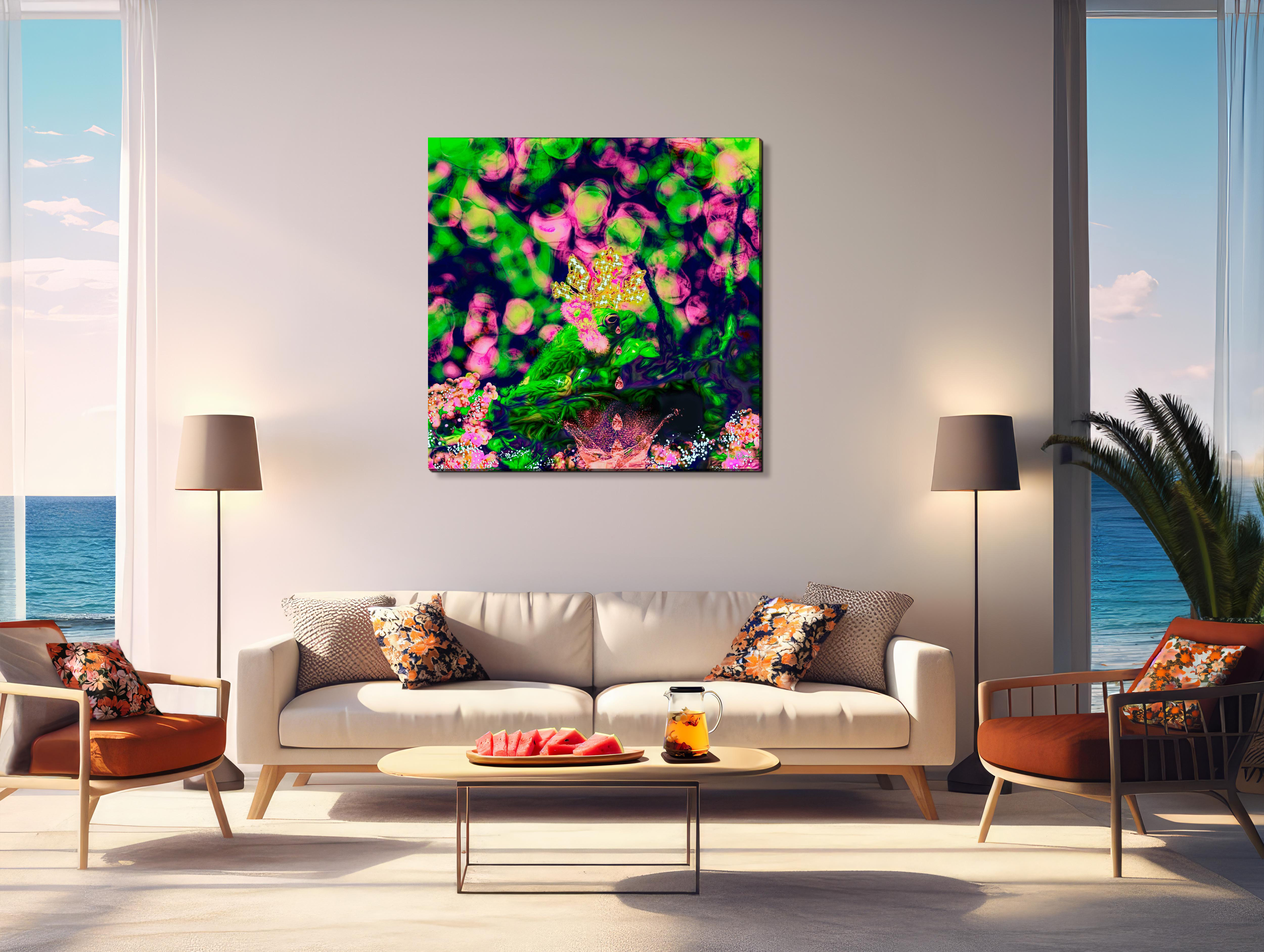
Forgotten at the Bayou came from the Frog Prince — the fairytale I had absorbed as a child as instruction about love. Wait for the right person. Be patient. Be good. The rescuer is coming. The frog's blood-diamond tears are the heartbreak of that waiting — the particular grief of having organized your emotional life around the belief that someone else will finally make you safe, only to discover that the rescue you needed was never going to arrive from outside.
The lush greens and purples of that piece hold something I couldn't have said in words: that the fulfillment you've been seeking in other people has always been yours to give yourself. That the story you were handed about love was missing the most important character — you.
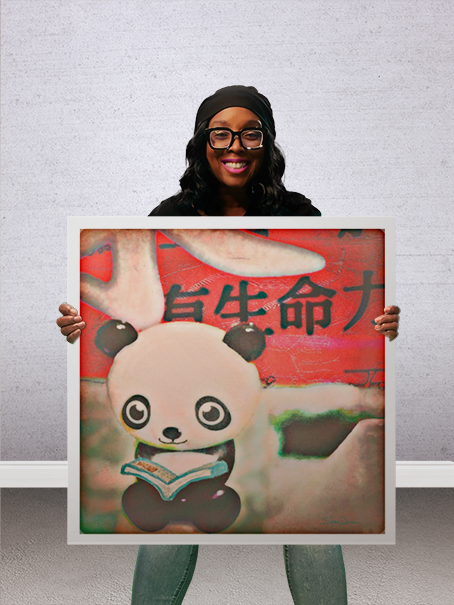
Panda's Storytime is about the stories themselves. About how they became refuge — the fairytales, the narratives, the scripts for what life was supposed to look like — not because they were true but because they were predictable. Predictable is a form of safety when nothing else is. With its calming reds and earthy tones, this piece holds the power of narrative not as trap but as invitation: the stories that shaped you don't have to be the stories that define you. You can rewrite them. You always could.
What Therapy and Art Showed Me Together
Therapy helped me see the perfectionism and control for what they were — symptoms of unprocessed trauma, not character. It gave me language for the fearful-avoidant attachment style that made closeness feel simultaneously necessary and terrifying. It helped me understand why I had organized my emotional life around performance and achievement rather than presence and connection.
Art let me experience what therapy could name. And the experience was necessary, because for someone with alexithymia, naming alone isn't enough. I had to feel my way through the material — through the color choices, through the narrative images, through the process of making something that held what I had been managing — before the intellectual understanding could land in the body where the adaptation lived.
This is the thing about healing work that most people don't tell you: it's not linear and it's not fast. It took me decades to build these adaptations. It has taken years of sustained, uncomfortable, often exhausting work to begin integrating them. And I'm not telling you that to discourage you. I'm telling you that because the work is worth every ounce of effort — not because it produces a perfect end state, but because the woman on the other side of it is more real, more present, and more capable of genuine connection than any version of herself that was still running on survival mode could ever be.
Survival Was Only the First Step
These three pieces — Fiery Orange Chicken, Forgotten at the Bayou, Panda's Storytime — represent the beginning of the excavation. The first layer of masks coming off. The recognition that survival, which I had been so extraordinarily good at, was only ever supposed to be the entry point.
Not the destination.
The destination is belonging. Esteem. Self-actualization. The full height of what a human life can be when it's no longer allocating its primary resources to threat management.
Getting there required me to look honestly at what I'd been using to stay numb. To ask what I was so afraid of feeling that I had built an entire architecture of competence and control around not feeling it. To sit with the shadow parts — the rage, the grief, the longing for safety I had never had — long enough to stop running from them.
That confrontation is what the next chapter of this work is about. The shadow self. The dark night of the soul. The parts of you that have been waiting in the dark for long enough that they've started to believe they'll never see the light.
They will. But first, you have to go find them.
The shadow work is in the next chapter: Healing Trauma Through Art: Carl Jung's Shadow Self and the Inner Child Series →
The full origin story of this clinical framework: Art Is Medicine — And I Know This Because It Saved Me →
The nervous system science underneath: Your Space Isn't Just Decorating You — It's Running Your Biology →
Join the Auntie Menopause Circle → facebook.com/groups/theauntiemenopausecircle
If this resonated with you, you are not alone in this journey. The Auntie Menopause Circle is where women who are done being dismissed come to learn, heal, and find each other.
Sources
Basting EJ, et al. Adverse childhood experiences, posttraumatic stress disorder symptoms, and compulsive behaviors among adults in substance use treatment. Journal of Traumatic Stress. 2024. DOI: 10.1002/jts.23079
NOTE: This post originated as an artist statement on Ceyise Studios exploring the Inner Child Series through themes of survival and emotional healing. It has been fully rewritten here on drstaceydenise.com in first person — with the ACE research, the nervous system science, the specific pieces and their color narratives, and the honest reckoning with what behavioral adaptation under trauma actually looks like in a high-achieving woman's life.
Originally published on Ceyise Studios. Updated: April 2026.